
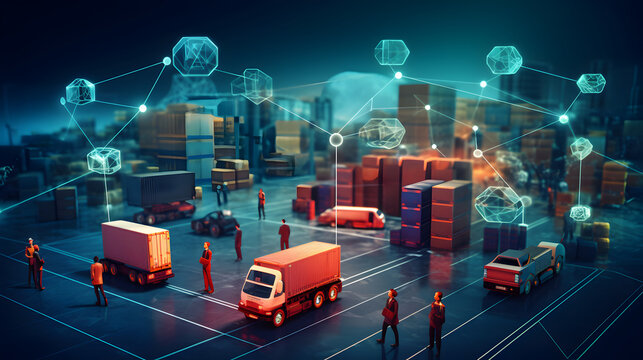
The global supply chain landscape is constantly evolving, with disruptions becoming more frequent due to economic shifts, geopolitical tensions, and unforeseen crises such as pandemics and natural disasters. As we move into 2025, businesses must embrace cutting-edge technologies to navigate these challenges. Among these technologies, Artificial Intelligence (AI) stands out as the most transformative tool in ensuring supply chain resilience, efficiency, and adaptability.
The Growing Complexity of Supply Chain Challenges
Supply chains today are more interconnected than ever before, spanning multiple countries and involving numerous stakeholders. However, they also face increasing risks:
- Global Disruptions – Trade wars, political instability, and pandemics have exposed the vulnerabilities of traditional supply chains.
- Demand Volatility – Unpredictable consumer behavior and shifting market demands make forecasting increasingly difficult.
- Labor Shortages – Workforce availability remains a critical challenge, exacerbated by automation and changing job landscapes.
- Logistics Bottlenecks – Port congestion, rising shipping costs, and transport inefficiencies continue to plague global trade.
To address these issues, businesses must leverage AI-driven solutions to enhance agility and mitigate risks proactively.
How AI is Revolutionizing Supply Chains
1. Predictive Analytics for Demand Forecasting
AI-powered predictive analytics enables businesses to anticipate demand fluctuations with greater accuracy. Machine learning models analyze vast datasets, including market trends, economic indicators, and historical sales, to optimize inventory levels and minimize stockouts or overstock situations.
2. Real-Time Visibility and Monitoring
AI-enhanced supply chain management platforms provide real-time tracking of goods, offering end-to-end visibility. This level of transparency helps businesses detect potential disruptions early and adjust their strategies accordingly.
3. Intelligent Automation in Warehousing and Logistics
- Robotic Process Automation (RPA) streamlines order processing and reduces manual errors.
- Autonomous Vehicles and Drones optimize last-mile delivery, reducing transit times and costs.
- Smart Warehouses use AI-driven robots to manage inventory efficiently, improving overall supply chain performance.
4. Risk Management and Resilience
AI-driven risk assessment tools analyze geopolitical, economic, and environmental factors, enabling businesses to proactively address vulnerabilities. Machine learning algorithms identify patterns that indicate potential disruptions, allowing for contingency planning before issues escalate.
5. AI-Driven Supplier Relationship Management
By analyzing supplier performance, AI can help businesses make data-driven decisions about procurement strategies. AI-powered negotiation tools optimize supplier contracts, ensuring cost-effectiveness and efficiency.
The Future of AI in Supply Chain Management
As AI continues to evolve, it will unlock even greater efficiencies in supply chain management. Future advancements may include:
- Hyper-Personalized Logistics – AI-driven solutions tailored to individual customer needs, improving satisfaction and retention.
- Blockchain and AI Integration – Combining AI with blockchain enhances supply chain security, reducing fraud and improving traceability.
- Quantum Computing for Complex Decision-Making – Emerging quantum technologies will further enhance AI’s capabilities in solving complex supply chain challenges.
As we approach 2025, AI is no longer a luxury but a necessity for businesses aiming to survive and thrive in the face of supply chain challenges. By leveraging AI-driven insights, automation, and risk mitigation strategies, companies can build more resilient and efficient supply chains. The businesses that embrace AI today will be the ones that lead the market tomorrow, ensuring long-term sustainability and competitive advantage in an increasingly uncertain world.
 Mehran Muslimi