EU Moves Closer Towards AI Regulation

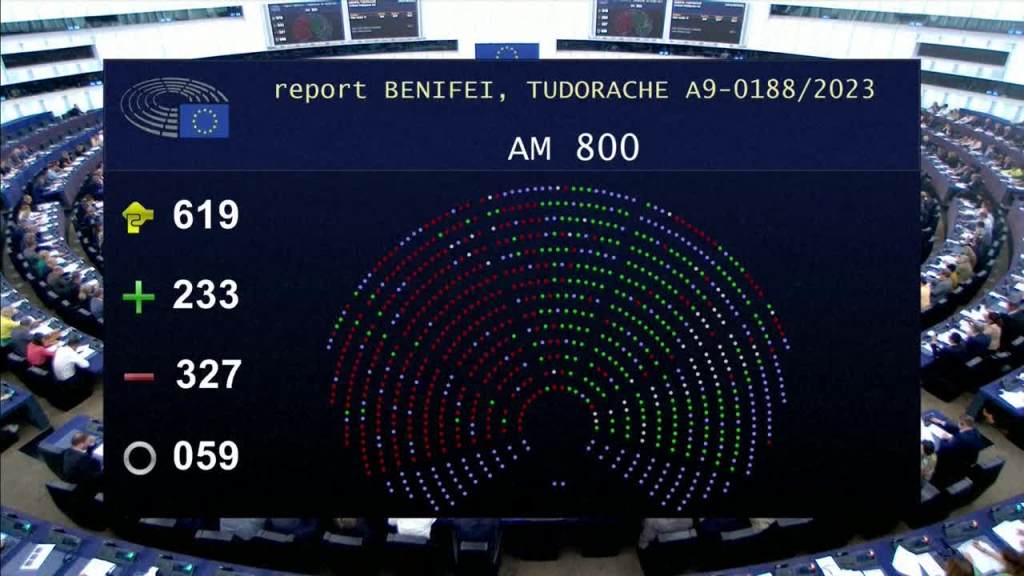
There is no doubt that AI is rapidly expanding its presence in various areas, prompting the EU to take decisive steps towards AI regulation. The EU AI Act was approved by the parliament on Wednesday,14th June and is expected to become law by the end of this year.

The EU AI Act will serve as a comprehensive guideline for the use of AI in the workplace, positioning the EU as one of the world leaders in AI regulation.

Recently, the EU voted to exempt draft language on generative AI regulation, bringing the new AI Act closer to becoming law. However, before it becomes a law, it needs approval from the main legislative branch. Given the EU’s history of prompt actions, there is optimism that the Act will soon gain legal status.

While the impending enactment of the act is a positive development, there have been concerns regarding the draft language of the regulation, particularly in areas like enhanced biometric surveillance, emotion recognition, predictive policy, and generative AI like ChatGPT.

Regarding generative AI, it is a broad and significant aspect that cannot be overlooked, as it can profoundly impact various aspects of society, including elections and decision-making.

The EU AI Act classifies AI applications into four categories based on risk: little or no risk, limited risk, high risk, and unacceptable risk. Examples of little or no risk applications include spam filters and game components, while limited risk applications encompass chatbots and minor face rules and guidelines. High-risk applications involve areas like transportation, employment, financial services, and other sectors impacting safety. Unacceptable risks refer to applications that threaten people’s rights, livelihoods, and safety.

According to the EU AI draft regulation, any organization or individual utilizing generated content must disclose it to the user. Although many companies and businesses are integrating AI into their systems, adhering to the regulation may present challenges.

The official proposal for the Act was made in April 2021 and has undergone several amendments since then. It is yet to undergo negotiation between the Parliament, European Commission, and the council of the European Union, with the final agreement expected by the end of the year.

The implications of the EU AI Act extend beyond Europe, with major AI companies like OpenAI, the creator of ChatGPT, expressing concerns about complying with the regulation. Companies like Google and Microsoft, which invest heavily in AI, have also shown signs of disapproval. However, the EU AI Act aims to mitigate the risks associated with AI to ensure that its benefits outweigh the adverse effects.

AI Limitations

As per the EU AI regulations, there are limitations on what AI can do, particularly in areas posing risks to people’s safety. These areas include:

● Biometric identification systems

● Biometric categorization systems using sensitive characteristics

● Predictive policing systems

● Emotion recognition systems in law enforcement, border management, the workplace, and educational institutions

● Untargeted scraping of facial images from the internet or CCTV footage to create facial recognition databases

High-Risk AI

According to the EU AI Act, high-risk AI is when AI poses a threat to people’s health, safety, fundamental rights, or the environment, such as using AI to influence voters and election outcomes.

To operate in the EU, AI companies must adhere to transparency requirements and take precautions to prevent generating illegal content. However, the use of copyrighted data may present challenges at present.

Did you like this post? Do you have any feedback? Do you have some topics you’d like me to write about? Do you have any ideas on how I could make this better? I’d love your feedback!

Feel free to reach out to me on Twitter!
Is there a Bitcoin bull cycle coming up?

There is no doubt that the SEC crackdown affected crypto and Bitcoin is not an exception. Bitcoin is already down by 15% from its all time highs in 2023. It enjoyed a high of about $31,000. Crypto exchanges such as Coinbase and Binance admit the SEC crackdown accelerated the sell off of bitcoin.

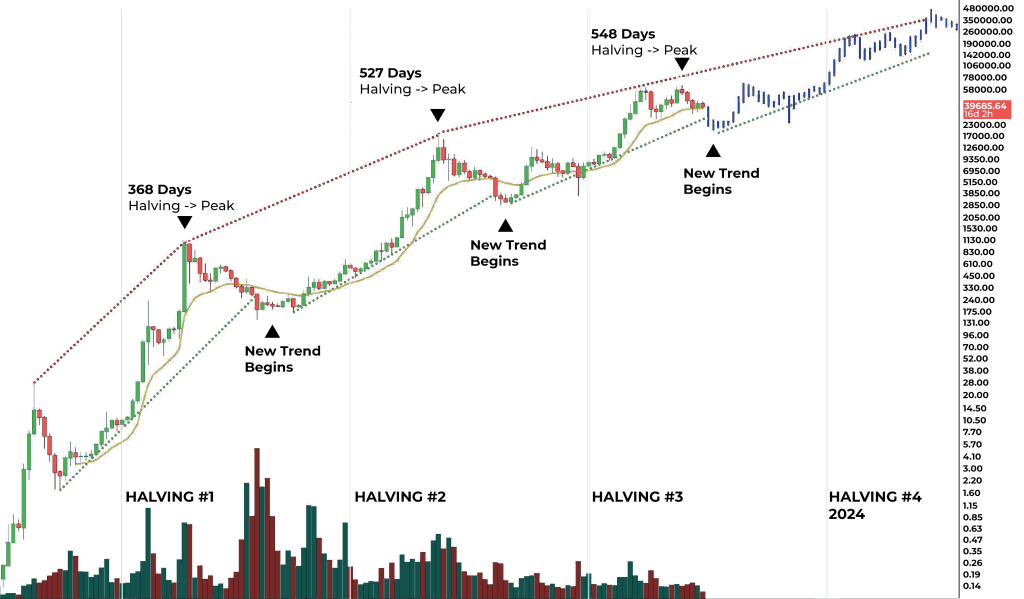
Even though bitcoin has dropped by 15%, it is still enjoying a 60% profit. This may be an indication there is a bitcoin bull cycle coming up. Some of the reasons to support this hypothesis include:

Bitcoin halving

This happens every four years whereby the coin supply rate is halved. The next bitcoin halving is set to happen in April 2024. The previous halvings happened in 2012, 2016 and 2020. In all the events, there was a BTC price rally that led to all time highs. Currently btc is high by 276% from the l;ast halving event in 2020. Current;y the market is working in anticipation of the next halving event.

BlackRock Bitcoin ETF

Blackrock has filed an application with the SEC for a bitcoin exchange traded fund. This will boost the reputation of BTC leading to an increased demand priori to the halving event.

It is highly likely that the SEC will approve BlackRock;s application. The investment firm has a good history when it comes to ETF records with the SEC. The SEC promised to respond to the firm by March 2024, which is a month before the halving.

According to Crypto Tea, an analyst, BlackRock was strategic in its application as it knew the supply will decrease and the demand increase. The investment firm wanted to capture the market before competition.

Rise in Bitcoin dominance

The recent SEC crackdown worked in favor of Bitcoin as there are many altcoins that were thrown out, especially those that were classified as unregistered securities. This increased bitcoin dominance to over 50%. The SEC recognizes altcoins as securities, which is not the case with Bitcoin. This made bitcoin be considered as a safe bet when compared to altcoins.

Michael Saylor from MicroStrategy has seen this coming as he predicted the SEc will push BTC market cap to 80% of the total crypto market. The move will eliminate any confusion and doubts from institutional investors.

Bitcoin bull flag

According to technical charts, bitcoins show a bull flag pattern in the long term, which suggests there will be an increasing continuation of its recovery rally.

The bull flag will get resolved once the price goes higher above its upper trendline. This will bring the bitcoin bull flag to near $35,500, which was a support level between May 2021 and May 2022.

To start a bull cycle, bitcoin will have to close above $35,500, as long as it remains lower than the previous bear market peaks.

Apart from the bull flag pattern, BTC price could be on the verge of a breakout in the inverse-head-and-shoulder(IH&S) pattern. This is a  bullish reversal pattern which can only be resolved when price breaks above the neckline and rises such that the distance between the neckline and the middle trough’s lowest point is the same.

If there will be a rebound from the IH&S neckline, BTC could rally up the prices by more than 60% towards $40,500.

Did you like this post? Do you have any feedback? Do you have some topics you’d like me to write about? Do you have any ideas on how I could make this better? I’d love your feedback!

Feel free to reach out to me on Twitter!

Are we Staring at a FED-instigated credit crunch?

A credit crunch occurs when banks significantly reduce their lending to individuals and businesses, resulting in less economic growth because people are unable to borrow as much. Typically, banks reduce their lending when central banks raise interest rates. This is because banks borrow money based on short-term interest rates set by the central bank and lend out money based on longer-term interest rates determined by the free market. When long-term interest rates are high, banks make more profit. The larger the difference between short-term and long-term interest rates, the greater the bank’s profit. Consequently, a decrease in lending leads to an economic contraction, potentially causing a recession. It is worth noting that the yield curve inversion has been deepening since 2022.

The Federal Reserve (Fed) plays a crucial role in influencing banks and financial institutions. Its monetary policies can be stringent, which has a ripple effect on banks and financial bodies. Recently, the Fed raised interest rates, making loans more expensive. The Federal Reserve justified this action due to high inflation concerns.

Despite the Fed increasing interest rates, banks have continued to lend to individuals and businesses even though these loans are not profitable for them. Market participants are forward-looking and anticipate that the Federal Reserve will soon start lowering interest rates in response to the situation. The expectation is that lower short-term interest rates will turn the loans recently made by banks back into profitable ventures. However, this assumption depends on individuals not withdrawing their funds from their accounts due to perceived solvency problems. Banks rely on money from depositors to provide loans, and if all depositors simultaneously attempt to withdraw their money, it can lead to a bank collapse, as seen in the case of Silicon Valley Bank.

Prior to the pandemic, US banks were required to maintain 10% of funds, but since March 2020, the balance has been zero. Furthermore, banks have also suffered from a decline in asset value due to rising interest rates, leaving them with insufficient funds to sustain withdrawals. These factors contribute to the emergence of a banking crisis.

Effects of banking crisis

People are moving money from small and medium banks into big banks. This is because big banks are perceived to be too big to fail and have a guarantee of the federal reserve.

People have started scrutinizing the balance sheets of their banks. Any bank that comes across as weak has seen its stock sell off.

People with lots of money have started moving it into Investments that earn a higher interest rate than their savings accounts. This includes various forms of U.S government debt and money market funds which invest in U.S government debt.

The reason why the interest rates on savings accounts remain so low at most banks is because raising these interest rates would eat into their profits.

When the Federal Reserve System started raising the interest rates, big banks reported losing 500 billion dollars in deposits since the start of 2023. FED data suggests that total bank deposits have fallen by more than a trillion dollars since last year. Just a week after the first bank collapsed, the deposits in the money market fund increased by $120 billion.

Small banks stand at a higher risk as they are competing with deposits made to Treasury bonds and money market funds, which at the moment give more returns.Small and medium-sized banks and small and medium-sized businesses are the ones that are going to feel the credit crunch the most.

Credit crisis

A credit crisis happens when banks don’t trust the safe collateral they’re using for loans.

If small and medium-sized banks reduce their lending to small and medium-sized businesses, then they will have a harder time finding new clients and could lose existing ones. This would lower customer deposits, which would reduce lending even more causing yet more deposit flight. Small and medium-sized banks would have to sell their assets leading to a credit crisis.

Both credit crunch and credit crisis are affected by the high interest rates set by FED. If inflation comes down fast then the FED will lower interest rates and there will be no credit crunch or credit crisis if inflation stays high however then we will see a credit crunch in the second half of the year.

The current situation reflects elements of a potential FED-instigated credit crunch, with banks reducing lending, individuals moving funds to larger banks, and small businesses facing the highest risk. The outcome will depend on the Federal Reserve’s response to inflation and whether interest rates are lowered.

Did you like this post? Do you have any feedback? Do you have some topics you’d like me to write about? Do you have any ideas on how I could make this better? I’d love your feedback!

Feel free to reach out to me on Twitter!
Virtual reality impact on cyber security

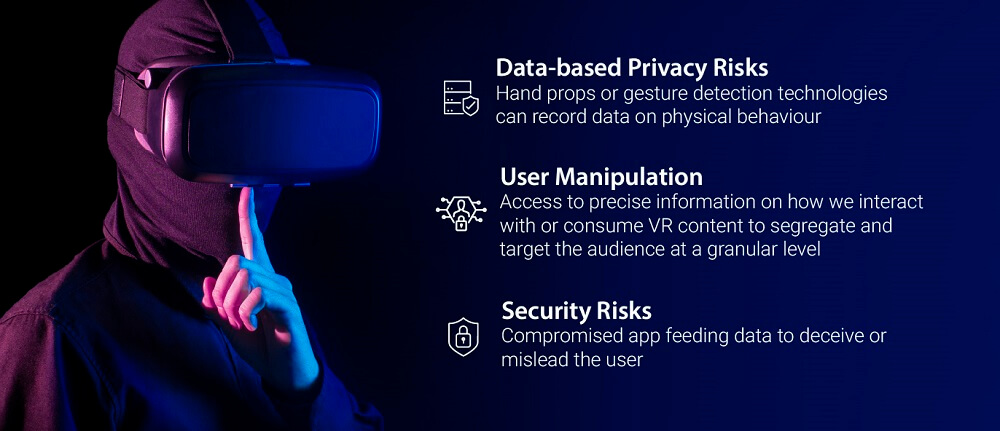
Virtual reality (VR) can have both positive and negative impacts on cybersecurity. Here are some ways in which VR can affect cybersecurity:

Positive Impacts:

1. Training and Education: VR can be used to train employees in cybersecurity by creating simulated environments where they can practice handling cyber attacks. This can help them become more familiar with the threats and learn how to respond in a safe, controlled environment.

2. Testing and Vulnerability Assessment: VR can also be used to test the security of systems and networks by simulating attacks and identifying vulnerabilities before they can be exploited by real-world hackers.

3. Secure Communication: VR can provide a secure platform for communication, especially for remote teams, as it can create an immersive virtual space where sensitive information can be shared without the risk of interception.

Negative Impacts:

1. VR Malware: Hackers can exploit vulnerabilities in VR software and use it as a means of spreading malware to unsuspecting users, thereby compromising the security of the system.

2. Social Engineering: VR can also be used to conduct social engineering attacks, where hackers can manipulate users into revealing sensitive information or performing actions that can compromise the security of the system.

3. Physical Security: Since VR can create immersive and realistic environments, it can be used to conduct physical security breaches, where hackers can bypass physical security measures in the real world by manipulating the virtual environment.

In summary, while VR has the potential to enhance cybersecurity, it also poses new challenges that need to be addressed by cybersecurity experts to ensure that it does not become a new avenue for cyber attacks.

As virtual reality (VR) technology becomes more prevalent, it’s important to consider the potential cybersecurity threats that come with it. Here are some ways to defend against VR cybersecurity threats:

· Keep your VR software updated: Software updates often contain security patches that fix known vulnerabilities. Make sure your VR software is up-to-date to ensure the latest security fixes are in place.

· Use strong passwords: Protect your VR accounts with strong passwords that are unique and not easily guessable. Consider using a password manager to generate and store strong passwords.

· Be cautious of public Wi-Fi: Public Wi-Fi networks are often unsecured and can leave your device vulnerable to cyber attacks. Avoid using public Wi-Fi networks when accessing VR content that requires sensitive information.

· Use antivirus software: Install and regularly update antivirus software on your device to protect against malware and other cyber threats.

· Be wary of phishing scams: Cybercriminals can use VR to create realistic phishing attacks that may trick you into giving away sensitive information. Be cautious of any VR content that asks for personal or financial information.

· Use a VPN: A virtual private network (VPN) can help protect your online privacy and security by encrypting your internet connection and masking your IP address.

· Limit VR permissions: Only grant necessary permissions to VR apps and content. This will help prevent malicious apps from accessing sensitive information on your device.

· Educate yourself on VR cybersecurity: Stay informed about the latest VR cybersecurity threats and how to defend against them. This will help you stay one step ahead of cybercriminals and protect your device and personal information.

Did you like this post? Do you have any feedback? Do you have some topics you’d like me to write about? Do you have any ideas on how I could make this better? I’d love your feedback!

Feel free to reach out to me on Twitter!