Unveiling the Evolution: Web3 Flourishes in the Digital Age

The advent of Web3 has marked a transformative phase in the digital landscape, heralding a new era of decentralized, user-centric, and interconnected experiences. As we navigate the intricate web of technological advancements, it becomes evident that Web3 is not just surviving but thriving, presenting a promising outlook for the future of the internet.

Decentralization and Trust:

One of the fundamental pillars of Web3 is decentralization. Unlike its predecessors, Web3 operates on decentralized networks, reducing reliance on central authorities and fostering trust through distributed consensus mechanisms. Blockchain technology, a cornerstone of Web3, ensures transparency, security, and immutability, laying the groundwork for a trust-driven digital ecosystem.

Smart Contracts and Automation:

Smart contracts, self-executing agreements with the terms directly written into code, have emerged as a powerful force within the Web3 framework. These contracts automate processes, eliminating the need for intermediaries and streamlining transactions. This not only enhances efficiency but also reduces costs and minimizes the risk of fraud, making Web3 an attractive proposition for various industries.

Tokenization and the Rise of Digital Assets:

Web3 introduces the concept of tokenization, representing ownership or access rights through digital tokens. This has led to the creation of a myriad of digital assets, including non-fungible tokens (NFTs) that revolutionize ownership in the digital realm. From digital art to virtual real estate, Web3 is reshaping how we perceive and trade assets in the online space.

Interoperability and Seamless Connectivity:

Web3 emphasizes interoperability, enabling different platforms, blockchains, and applications to seamlessly connect and interact. This interoperability fosters a more connected internet experience, where users can navigate across diverse ecosystems without encountering the silos that characterized earlier web iterations. This interconnectedness sparks innovation and collaboration on a global scale.

User Empowerment and Data Ownership:

Web3 places a strong emphasis on user empowerment and data ownership. In contrast to the data-centric models of Web1 and Web2, where user data often became a commodity for tech giants, Web3 envisions a user-centric paradigm. With decentralized identity solutions and user-controlled data, individuals regain control over their digital footprint, contributing to a more ethical and privacy-focused digital environment.

Challenges and Opportunities:

While Web3 presents a plethora of opportunities, it is not without its challenges. Scalability, energy consumption, and regulatory uncertainties pose hurdles that the Web3 community must address collaboratively. Solutions like layer 2 scaling, energy-efficient consensus mechanisms, and proactive engagement with regulatory bodies are crucial to ensuring the sustained growth of Web3.

As Web3 continues to evolve, it is evident that the decentralized, user-centric principles it champions are more than just a fleeting trend. Web3 is not merely surviving the challenges thrown at it; it is thriving, reshaping the digital landscape and offering a glimpse into a more inclusive, transparent, and innovative future. As we navigate the intricate web of technological advancements, the story of Web3 is still unfolding, promising a digital age that empowers individuals and transforms the way we connect, collaborate, and create online.

Is DePIN the Use Case That Crypto’s Been Missing?

Cryptocurrencies have been a revolutionary force in the financial landscape, introducing decentralized and borderless transactions. However, challenges like user adoption, ease of use, and security concerns persist. Enter DePIN, a novel use case that aims to address these issues and potentially become the missing link for widespread crypto adoption.

The Current Crypto Landscape: Challenges and Opportunities

While cryptocurrencies promise financial inclusion and autonomy, their mainstream adoption has faced hurdles. Cryptocurrencies are often criticized for their complexity, requiring users to manage private keys, seed phrases, and navigate through intricate processes to execute transactions. This steep learning curve poses a significant barrier for the average user.

Moreover, the security of crypto transactions relies heavily on users’ ability to safeguard their private keys and passwords. Hacks, scams, and the irreversibility of transactions in the crypto realm have deterred many potential users from fully embracing digital currencies.

Introducing DePIN: A User-Friendly Approach

DePIN emerges as a potential solution to enhance the user experience and security in the crypto space. At its core, DePIN simplifies the user authentication process by replacing complex cryptographic keys with a more familiar and user-friendly approach.

The traditional authentication process in crypto involves entering a lengthy private key or seed phrase. DePIN replaces this with a simple, yet secure, personal identification number (PIN). This approach aligns with the familiarity of PIN-based systems widely used in traditional banking and payment methods, making it more accessible for the general population.

How DePIN Works

DePIN utilizes advanced cryptographic techniques to convert a user’s PIN into a secure cryptographic key. This key is then used to sign transactions on the blockchain. The magic lies in the seamless integration of user familiarity with the security offered by cryptography.

Users simply set up a PIN during account creation or wallet setup. This PIN, combined with the underlying cryptographic processes, generates a unique and secure signature for each transaction. The result is a streamlined and secure authentication process that minimizes the risk of human error associated with handling private keys.

Benefits of DePIN

  1. User-Friendly: DePIN simplifies the crypto experience, making it more accessible for individuals who may find traditional cryptographic processes intimidating.
  2. Enhanced Security: While offering user-friendliness, DePIN doesn’t compromise on security. The underlying cryptographic methods ensure that transactions remain secure and tamper-proof.
  3. Widespread Adoption: The familiarity of PIN-based systems opens the door for broader crypto adoption. Users accustomed to traditional banking systems can transition into the crypto space with greater ease.
  4. Reduced Human Error: The risk of human error, such as misplacing or mishandling private keys, is significantly minimized with DePIN, enhancing the overall safety of crypto transactions.

Challenges and Considerations

While DePIN presents an intriguing solution, it’s essential to consider potential challenges and implications:

  1. Centralization Concerns: Depending on the implementation, DePIN systems could introduce centralization concerns if not designed with decentralization principles in mind.
  2. Adoption and Integration: DePIN’s success relies on widespread adoption and integration by crypto wallets, exchanges, and platforms. Collaboration within the crypto community is crucial for its effective implementation.
  3. Security Audits: Rigorous security audits are necessary to ensure the resilience of DePIN systems against potential vulnerabilities or attacks.
  4. Regulatory Compliance: DePIN solutions must align with regulatory standards to ensure legal compliance and foster trust among users and regulatory bodies.

The Future Potential of DePIN

If successfully implemented and adopted, DePIN has the potential to redefine the user experience in the crypto space. Its user-friendly approach could bridge the gap between traditional finance and cryptocurrencies, attracting a broader audience.

As the crypto community continues to explore innovative solutions to enhance usability and security, DePIN stands out as a promising contender. Its evolution and integration into the broader crypto ecosystem will be a fascinating development to watch in the coming years.

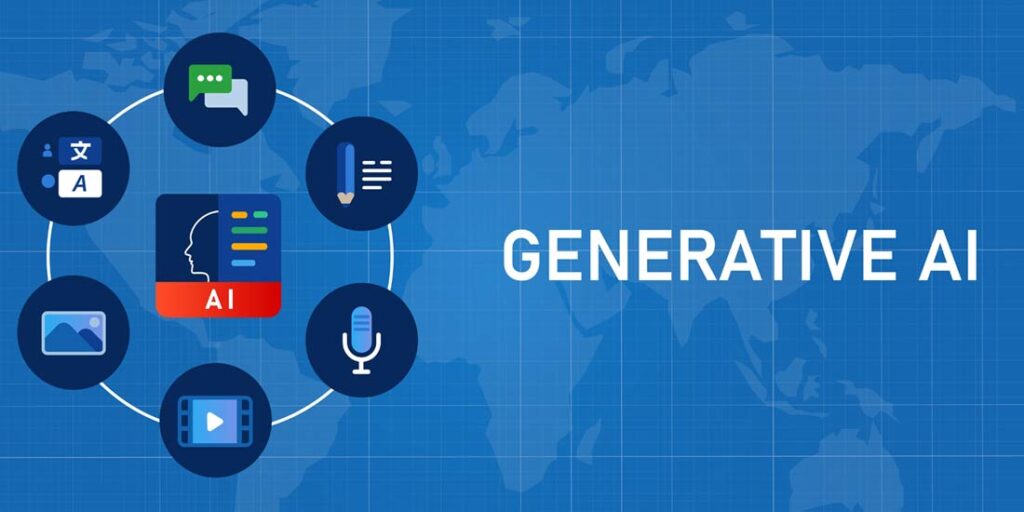
Unlocking Operational Excellence: The Transformative Power of Generative AI in Operations

In the ever-evolving landscape of technology, businesses are continually seeking innovative solutions to enhance their operational efficiency and stay ahead of the competition. One such groundbreaking technology making waves in the realm of operations is Generative Artificial Intelligence (Generative AI). This cutting-edge technology holds the potential to revolutionize how businesses manage their operations, automate processes, and extract actionable insights from vast datasets. In this article, we will delve into the applications, benefits, and future implications of Generative AI in operations.

Understanding Generative AI: Generative AI refers to a class of artificial intelligence algorithms that can generate new, unique content autonomously. Unlike traditional AI models that operate based on pre-programmed rules, Generative AI models, particularly those based on deep learning architectures like GPT (Generative Pre-trained Transformer), are trained on extensive datasets to understand and replicate patterns. This ability enables them to create human-like text, images, and even operational strategies.

Applications in Operations:

  1. Process Automation: One of the primary applications of Generative AI in operations is process automation. By analyzing historical data and learning from repetitive tasks, Generative AI models can automate complex workflows, reducing manual intervention and minimizing errors. This leads to increased operational efficiency and resource optimization.
  2. Supply Chain Optimization: Generative AI plays a pivotal role in optimizing supply chain operations. It can analyze various factors, including historical demand patterns, supplier performance, and market trends, to generate predictive models. These models assist businesses in making informed decisions, such as inventory management, demand forecasting, and logistics planning.
  3. Predictive Maintenance: In industries reliant on machinery and equipment, Generative AI can predict potential failures and maintenance requirements. By analyzing sensor data and historical performance, these models generate insights into the health of equipment, enabling proactive maintenance. This not only reduces downtime but also extends the lifespan of critical assets.
  4. Customer Service Enhancement: Generative AI is increasingly being employed to enhance customer service operations. Chatbots powered by Generative AI can engage in natural language conversations, providing real-time assistance, resolving queries, and even handling complex support issues. This results in improved customer satisfaction and operational efficiency.

Benefits of Generative AI in Operations:

  1. Efficiency Gains: Automation of routine tasks leads to significant efficiency gains. Generative AI streamlines operations by handling repetitive processes, allowing human resources to focus on more complex and strategic aspects of the business.
  2. Data-Driven Decision Making: Generative AI excels at processing and analyzing large datasets. By harnessing the power of data, businesses can make informed decisions, identify trends, and respond swiftly to market changes, giving them a competitive edge.
  3. Cost Savings: The automation and optimization facilitated by Generative AI translate into cost savings for businesses. Reduced manual labor, minimized downtime through predictive maintenance, and efficient resource allocation contribute to a more cost-effective operational model.
  4. Innovation Catalyst: Generative AI has the potential to drive innovation within operations. Its ability to generate novel solutions and strategies can spark creative thinking, enabling businesses to explore new avenues and stay at the forefront of industry trends.

Future Implications: As Generative AI continues to advance, its future implications for operations are vast. We can anticipate:

  • Further refinement of predictive capabilities, leading to even more accurate decision-making.
  • Integration with Internet of Things (IoT) devices for real-time monitoring and control.
  • Enhanced collaboration between humans and AI, creating a symbiotic relationship in operational workflows.

Generative AI is poised to redefine the landscape of operations, offering unprecedented opportunities for businesses to enhance efficiency, reduce costs, and foster innovation. Embracing this transformative technology will be crucial for organizations aiming to thrive in an increasingly competitive and technologically driven business environment. As we navigate the future, the synergy between human expertise and Generative AI capabilities holds the key to unlocking operational excellence.

Navigating the Cyber Landscape: Cybersecurity Trends Unveiled for 2024

As we step into 2024, the ever-evolving landscape of cybersecurity continues to be a critical aspect of our digital existence. In this annual roundup, we explore the top forecasts, emerging trends, and industry predictions that are set to define the cybersecurity realm in the coming year.

  1. Rise of Quantum-Resistant Technologies: The advent of quantum computing poses a significant threat to traditional cryptographic methods. In 2024, we anticipate a surge in the development and adoption of quantum-resistant encryption and security protocols to safeguard sensitive data against the potential risks posed by quantum advancements.
  2. AI-Powered Threats and Countermeasures: Artificial intelligence (AI) is increasingly being integrated into cyberattacks, making them more sophisticated and harder to detect. Cybersecurity defenses are also leveraging AI to enhance threat detection, automate incident response, and fortify network security. The battle between AI-driven attacks and AI-powered defenses is set to intensify in 2024.
  3. Extended Cybersecurity Workforce Shortage: The shortage of skilled cybersecurity professionals is expected to persist and even worsen in 2024. As cyber threats become more complex, organizations will grapple with the challenge of recruiting and retaining qualified cybersecurity experts. Automation and AI-driven tools will play a crucial role in alleviating some of the workforce shortages.
  4. Zero Trust Architecture Dominance: With the escalating frequency of cyber threats, the Zero Trust security model will continue to gain prominence. In 2024, organizations will increasingly adopt a Zero Trust approach, which assumes that no entity, whether inside or outside the network, can be trusted, and rigorous verification is required from everyone trying to access resources.
  5. Blockchain for Enhanced Security: Blockchain technology is not limited to cryptocurrencies; its decentralized and tamper-resistant nature makes it a valuable asset in cybersecurity. Expect to see increased utilization of blockchain for securing data, managing identities, and enhancing the integrity of critical systems in 2024.
  6. Heightened Focus on IoT Security: As the Internet of Things (IoT) ecosystem expands, so does the attack surface for cyber threats. In 2024, there will be a heightened emphasis on bolstering the security of IoT devices. This includes implementing robust authentication mechanisms, ensuring timely software updates, and establishing industry-wide standards for IoT security.
  7. Regulatory Developments in Cybersecurity: Governments and regulatory bodies are recognizing the urgency of addressing cybersecurity challenges. Anticipate the introduction of new regulations and the strengthening of existing ones to enforce stringent cybersecurity measures across industries. Compliance requirements are likely to become more comprehensive and specific.
  8. Evolving Ransomware Tactics: Ransomware attacks will evolve in both sophistication and scale in 2024. Cybercriminals will continue to refine their tactics, possibly incorporating AI and machine learning to tailor attacks based on the target’s vulnerabilities. Organizations must focus on robust backup strategies, employee training, and proactive defense measures to mitigate the impact of ransomware.

As we venture into 2024, the cybersecurity landscape is characterized by both challenges and innovations. Organizations must stay vigilant, adapt to emerging threats, and embrace cutting-edge technologies to secure their digital assets. The proactive adoption of quantum-resistant encryption, AI-driven defenses, Zero Trust principles, and blockchain integration will be instrumental in fortifying cyber defenses in the years ahead.

Did you like this post? Do you have any feedback? Do you have some topics you’d like me to write about? Do you have any ideas on how I could make this better? I’d love your feedback!

Feel free to reach out to me on Twitter!