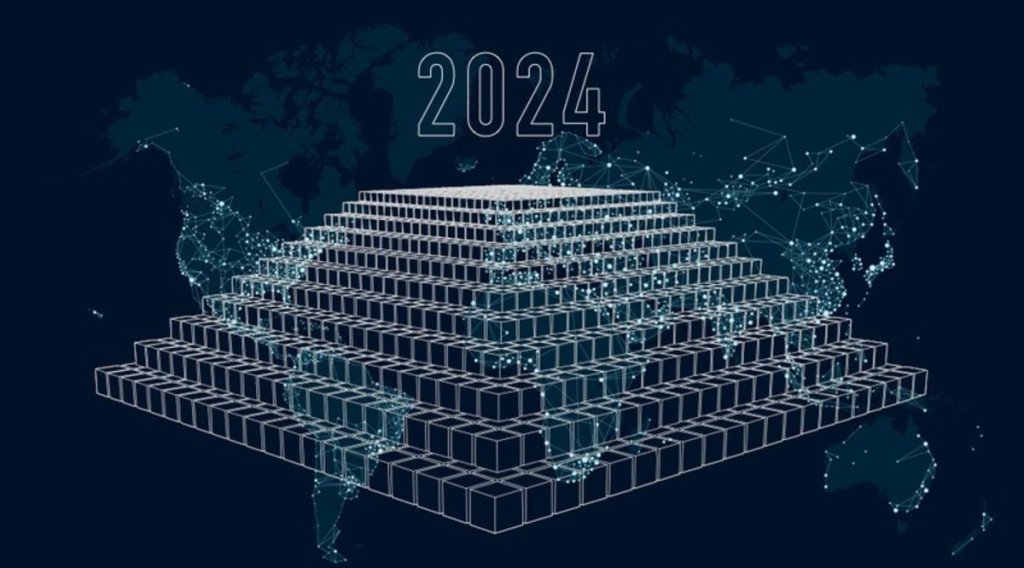
Shaping the Next Frontier: Crypto Trends Set to Define 2024–2028

The crypto market has experienced exponential growth over the past decade, transforming from a niche concept to a trillion-dollar industry. As we embark on the second decade of crypto, the landscape is poised for further evolution. This article delves into the potential trends that will shape the crypto space from 2024 to 2028, covering institutional adoption, regulatory developments, technological enhancements, and the rise of new sectors like decentralized finance (DeFi) and Non-fungible Tokens (NFTs).

  1. Institutional Adoption of Crypto: Institutional interest in crypto has surged in recent years, and this trend is expected to intensify from 2024 to 2028. Major financial institutions, including banks, hedge funds, and pension funds, are entering the crypto space. This acceleration can be attributed to crypto gaining mainstream acceptance as a legitimate asset class. Regulated investment products like Bitcoin ETFs and futures contracts provide easier exposure, fostering portfolio diversification and attracting institutional investors seeking higher returns.

The anticipated institutional adoption aligns with the Rogers Technology Adoption Lifecycle, transitioning from early adopters to the early majority stage. This shift signifies a massive influx of capital from diverse institutions, contributing to the maturation of the crypto market.

2. Crypto Regulatory Trends: Regulatory developments will play a pivotal role in shaping the crypto landscape from 2024 to 2028. As the global crypto industry is projected to surpass $5 trillion by 2028, regulatory clarity is crucial. Anticipated trends include the establishment of global regulatory frameworks by entities such as the Basel Committee, IOSCO, and the FSB. These frameworks are expected to focus on standards for custody and asset management, consumer protection, and AML/counterterrorism financing regulations.

Moreover, jurisdiction-specific regulations will play a significant role, with countries taking varied approaches, ranging from complete bans to progressive embracing of crypto. The emergence of decentralized governance models will also gain prominence, reducing dependency on centralized regulators.

3. Technological Improvements, DeFi, and NFT Growth: The next four years are poised to witness significant technological advancements in scalability and interoperability solutions. Ethereum’s transition to sharding and the implementation of Layer 2 protocols will enhance transaction throughput, reducing fees and enabling micro-transactions at scale. Interoperability solutions like those offered by Polkadot and Cosmos will facilitate the seamless transfer of liquidity and assets across blockchains.

Simultaneously, the decentralized finance (DeFi) ecosystem is expected to witness substantial growth. The sector, already boasting over $60 billion in locked capital, is projected to reach over $497.9 billion in transaction value by 2032. DeFi’s expansion is attributed to its accessibility to global retail investors, transparent protocols, and censorship-resistant features.

The Non-fungible Token (NFT) market is set to experience a CAGR of 30.23% between 2023 and 2028, reaching a market size of USD 68.16 billion. NFTs are evolving beyond digital art collectibles to represent ownership of various virtual items across art, collectibles, gaming, and the metaverse. Interoperability protocols will facilitate the movement of NFTs across different virtual worlds, enhancing their utility.

As we navigate the crypto landscape from 2024 to 2028, the industry stands at the intersection of institutional adoption, regulatory evolution, technological innovation, and the growth of new sectors. While risks persist, the measured approach taken by institutions and regulators reflects a maturing industry. The true potential of crypto, underpinned by blockchain technology, is set to become increasingly mainstream, paving the way for a transformative decade ahead.

Did you like this post? Do you have any feedback? Do you have some topics you’d like me to write about? Do you have any ideas on how I could make this better? I’d love your feedback!

Feel free to reach out to me on Twitter!

Navigating the Future: Top 10 Blockchain Trends in 2024

As we stand on the cusp of 2024, the blockchain landscape is poised for transformative shifts that promise to redefine the digital world. This article delves into the emerging trends that will shape the blockchain sphere over the next 12 months and beyond. From institutional adoption to regulatory evolution, we explore the key developments influencing the future of decentralized technology.

Trend #1: Enterprise Adoption Takes Center Stage

One of the most significant trends anticipated in 2024 is the acceleration of blockchain adoption by enterprises. Companies are recognizing the potential of blockchain to enhance efficiency, security, and transparency within their operations. The rise of Blockchain-as-a-Service (BaaS) platforms, offering cloud-based solutions for developing blockchain applications, is expected to further lower entry barriers, encouraging more businesses to integrate blockchain into their models.

Trend #2: Institutional Acceptance of Cryptocurrencies Gains Momentum

The institutional embrace of cryptocurrencies is gaining momentum, exemplified by BlackRock’s recent introduction of a Bitcoin spot ETF. Other major players, including WisdomTree and Invesco, are following suit with their own Bitcoin spot ETF applications. EDX Markets, backed by industry giants like Charles Schwab and Fidelity Digital Assets, launched its non-custodial exchange, highlighting institutional confidence in the potential of cryptocurrencies.

Trend #3: Wall Street Pioneers Asset Tokenization and Digital Transactions

Wall Street heavyweights, including JPMorgan Chase, Goldman Sachs, BlackRock, and Fidelity, are at the forefront of exploring asset tokenization and digital transactions. The transformative potential of blockchain technology in facilitating these developments is evident. Citigroup analysts project that tokenization could reach a staggering $10 trillion by 2030, encompassing private-sector securities, funds, central bank digital currencies, and stablecoins.

Trend #4: Decentralized Finance (DeFi) Shapes Future Industries

Decentralized Finance (DeFi) is expanding its influence beyond traditional finance, giving rise to new facets such as GameFi, SocialFi, and InsureTech. Blockchain’s programmability enables tailored financial tools and smart contracts that streamline operations and cut costs, particularly beneficial for SMEs and emerging markets. Various DeFi-driven technologies, from BusiFi to SocialFi, have the potential to redefine sectors, promoting efficiency, transparency, and innovation.

Trend #5: Central Bank Digital Currencies (CBDCs) as a Monetary Anchor

Central Bank Digital Currencies (CBDCs) are emerging as a crucial response to the rise of digital payments. Serving as a monetary anchor, CBDCs aim to preserve monetary singleness and shield monetary sovereignty. As digital finance tokenization gains traction, central banks are reassessing their tech infrastructure to accommodate these digital assets in wholesale transactions, fostering seamless integration into financial systems.

Trend #6: Blockchain Regulation Enters the New Normal

Growing concerns and challenges within the crypto ecosystem are prompting governments to establish comprehensive regulatory frameworks. The emphasis is on addressing social and environmental risks associated with cryptocurrencies, encouraging responsible and sustainable integration into the financial sector. Regulatory clarity is crucial to fostering a sustainable crypto future.

Trend #7: SEC Scrutiny on Cryptocurrency Exchanges Intensifies

The U.S. Securities and Exchange Commission (SEC) has intensified its enforcement efforts in the cryptocurrency domain, bringing lawsuits against major exchanges like Binance and Coinbase. Despite short-term uncertainties, increased scrutiny could pave the way for more standardized and transparent regulations, fostering a healthier dialogue between digital currencies and global financial regulation.

Trend #8: Addressing Technical Drawbacks and User Challenges

Blockchain technology faces inherent limitations, including inefficiencies, slow transactions, and high costs, leading to the ‘blockchain trilemma.’ Efforts to address these issues are giving rise to alternative solutions, such as off-chain transactions. However, challenges related to user-centric issues, like key management, remain significant roadblocks to widespread adoption.

Trend #9: Expanding Definition of ‘The Metaverse’ Driven by Business Innovation

The Metaverse is evolving beyond a virtual realm, offering new potential for businesses in areas like virtual real estate, digital fashion, global events, and gaming. Various Metaverse models, from MetaAca to MetaFash, are revolutionizing industries and creating a boundless marketplace for global entrepreneurs.

Trend #10: AI-Enabled Blockchain Convergence

The convergence of artificial intelligence (AI) and blockchain is set to disrupt multiple industries. AI’s influence on digital businesses, combined with blockchain’s distinctive aspects, creates unique opportunities for innovation. Businesses must develop comprehensive frameworks for the effective implementation of AI-enabled blockchain, overcoming integration obstacles and harnessing the potential for efficiency, transparency, and innovation.

Looking Ahead:

As we look toward 2024, the blockchain landscape is marked by these transformative trends. From the mainstream adoption by enterprises to the evolution of DeFi and the integration of AI, the future promises a dynamic and innovative blockchain ecosystem. Navigating the complexities and aligning with regulatory guidelines will be essential for industries and individuals alike as we continue to unlock the full potential.

Did you like this post? Do you have any feedback? Do you have some topics you’d like me to write about? Do you have any ideas on how I could make this better? I’d love your feedback!

Feel free to reach out to me on Twitter!
Securing the Financial Frontier: Safeguarding Fintech APIs in the Era of Innovation

In the dynamic realm of fintech, Application Programming Interfaces (APIs) serve as the backbone, enabling seamless communication and data exchange between diverse financial systems. From facilitating transactions to enhancing user experiences, APIs play a pivotal role in the interconnected world of modern finance. However, as the prevalence of APIs continues to rise, so does the risk of security threats. In this article, we delve into the significance of APIs in fintech, the surge in API attacks, and crucial strategies to fortify the security of these essential tools.

The Power of APIs in Finance:

Ever wondered how your wallet app effortlessly retrieves money from your bank account or how your credit card gains approval during an online shopping spree? APIs hold the answer. Acting as bridges between different software systems, APIs facilitate communication and data exchange. For example, a personal finance app can leverage an Open Banking API to connect with a customer’s bank, allowing it to check balances and perform various financial operations.

The API Explosion in Banking:

Research indicates a significant surge in the adoption of public APIs by banks. According to McKinsey, 75% of the top 100 global banks had made public APIs available in 2022. This demonstrates a remarkable increase, considering that only 22% had established their API platforms in 2021, with an additional 39% in progress. The shift towards API adoption suggests a growing recognition of the benefits they bring to the financial landscape.

Types of Banking APIs:

  1. Partner APIs: Designed for specific third-party companies to address common challenges collaboratively.
  2. Private APIs: Developed within banking institutions to enhance their operational efficiency and services.
  3. Open Banking APIs: Increasingly prevalent, these APIs enable banks to share data with third-party companies, fostering a more interconnected financial ecosystem.

How Fintech Benefits from Banking APIs:

  1. Cost Reduction: APIs streamline development, enabling the creation of multiple products and services with reduced costs compared to building from scratch.
  2. Regulatory Compliance: APIs assist in adhering to regulations such as GDPR and PSD2 by providing controlled access to data, ensuring privacy and security.
  3. Enhanced Customer Experience: APIs improve customer experiences by enabling the delivery of high-quality features in a timely manner, making financial services more affordable.

The Dark Side: API Security Challenges:

Despite the myriad benefits, the rise of API attacks poses a substantial threat. The Q1 2023 State of API Security by Salt Security reported a staggering 400% increase in API attacks. Various attack types include Denial-of-Service (DoS), SQL injection, XML External Entity (XXE) attacks, Cross-site Scripting (XSS), Brute force attacks, Cross-site Request Forgery (CSRF), and Man-in-the-middle (MITM) attacks.

Protecting Fintech Against API Attacks:

  1. Eliminate Business Logic Vulnerabilities: Identify and rectify business logic flaws, which are a common avenue for cybercriminals to exploit and gain unauthorized access.
  2. Use Strong Authentication and Authorization: Implement robust authentication and authorization mechanisms, such as multi-factor authentication, to secure access to APIs.
  3. Segregate Data: Break up data into different entities to prevent easy access and theft by potential attackers.
  4. Enforce TLS/SSL for API Communications: Encrypt API traffic with SSL to ensure that all data transmitted remains confidential, even if intercepted.
  5. Invest in Employee Security Awareness: Educate employees on identifying API attacks and foster a cybersecurity-aware culture within the organization.
  6. Have a Tested Contingency Plan: Prepare for potential API attacks with a well-defined and tested contingency plan to mitigate damage promptly.

As fintech continues to thrive, the security of APIs becomes paramount. Financial organizations must recognize the potential threats, adopt robust security measures, and prioritize ongoing education and preparedness. API security is not only a safeguard but also a facilitator and differentiator of innovation in the ever-evolving landscape of fintech. By embracing these strategies, the financial frontier can remain secure, ensuring a resilient foundation for the future of financial technology.

Did you like this post? Do you have any feedback? Do you have some topics you’d like me to write about? Do you have any ideas on how I could make this better? I’d love your feedback!

Feel free to reach out to me on Twitter!

Unleashing the Potential: Finding Value in Generative AI for Financial Services

In the ever-evolving landscape of financial services, staying ahead requires innovation and a keen understanding of emerging technologies. Generative Artificial Intelligence (Generative AI) has emerged as a transformative force, offering unprecedented possibilities for the financial sector. In this article, we explore the profound impact of Generative AI on financial services, from personalized customer experiences to risk management and fraud detection.

Understanding Generative AI:

Generative AI refers to a class of artificial intelligence algorithms designed to generate content, often indistinguishable from content created by humans. It excels in tasks such as image and text generation, making it a versatile tool with applications across various industries. In financial services, the value of Generative AI becomes evident in its ability to streamline processes, enhance customer interactions, and mitigate risks.

Personalized Customer Experiences:

  1. Tailored Financial Advice: Generative AI can analyze vast amounts of customer data to generate personalized financial advice. This tailored approach helps clients make informed decisions, ensuring that financial recommendations align with individual goals and risk tolerances.
  2. Chatbot Interactions: Integrating Generative AI into chatbots enhances customer interactions. These AI-driven chatbots can provide real-time support, answer queries, and guide users through financial processes, improving overall customer satisfaction.

Risk Management and Fraud Detection:

  1. Anomaly Detection: Generative AI algorithms excel at recognizing patterns. In the financial sector, this capability is harnessed for anomaly detection, identifying irregularities in transactions and flagging potential fraudulent activities in real-time.
  2. Credit Scoring: Generative AI enhances credit scoring models by analyzing diverse data points. This allows for a more comprehensive evaluation of an individual’s creditworthiness, enabling financial institutions to make more accurate lending decisions.

Operational Efficiency:

  1. Automation of Repetitive Tasks: Generative AI can automate routine and repetitive tasks, freeing up human resources to focus on more complex and strategic activities. This efficiency gains can result in cost savings and improved operational performance.
  2. Natural Language Processing (NLP): Natural Language Processing powered by Generative AI enables financial institutions to process vast amounts of unstructured data from sources like news articles, social media, and financial reports. This aids in sentiment analysis and market trend predictions.

Regulatory Compliance:

  1. Automated Compliance Checks: Generative AI facilitates automated compliance checks by continuously monitoring regulatory changes. This ensures that financial institutions stay compliant with evolving regulations, reducing the risk of non-compliance penalties.
  2. Enhanced Anti-Money Laundering (AML) Measures: Generative AI contributes to more robust AML measures by identifying suspicious patterns and behaviors, allowing financial institutions
  3. to address potential money laundering activities proactively.

Generative AI is a catalyst for innovation in financial services, offering a spectrum of benefits ranging from personalized customer experiences to enhanced risk management and operational efficiency. As financial institutions continue to embrace digital transformation, the strategic integration of Generative AI will be pivotal in shaping the future of the industry. The evolving landscape presents both challenges and opportunities, and organizations that leverage the power of Generative AI stand poised to redefine the way financial services are delivered and experienced.

Did you like this post? Do you have any feedback? Do you have some topics you’d like me to write about? Do you have any ideas on how I could make this better? I’d love your feedback!

Feel free to reach out to me on Twitter!