The Growing Impact of Generative AI on Cybersecurity and Identity Theft

In recent years, the advancement of Generative Artificial Intelligence (Generative AI) has revolutionized various industries, from entertainment to healthcare. However, as this cutting-edge technology becomes more sophisticated, it also poses significant challenges to cybersecurity and raises concerns about the potential increase in identity theft incidents. This article explores the growing impact of Generative AI on cybersecurity and the measures needed to protect individuals and organizations from its potential malicious applications.

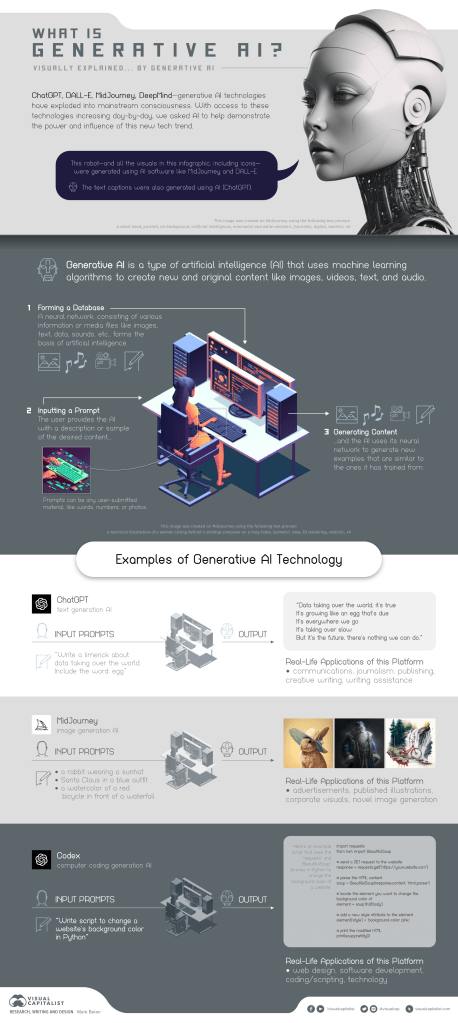
  1. Understanding Generative AI: Generative AI is a subset of artificial intelligence that focuses on generating data rather than analyzing it. Generative models, such as Generative Adversarial Networks (GANs) and Variational Autoencoders (VAEs), can create realistic and convincing content, such as images, text, and even audio, that resembles authentic human-generated data.
  2. The Rise of AI-Enhanced Cyberattacks: As cybercriminals seek more sophisticated methods to exploit vulnerabilities, they are increasingly turning to Generative AI to launch sophisticated cyberattacks. From generating realistic phishing emails to deepfake audio and video for social engineering, AI-driven attacks are becoming harder to detect and defend against.
  3. Identity Theft in the AI Era: Generative AI has opened the door to new challenges in identity theft. With AI-generated images and videos, malicious actors can create highly realistic fake profiles, further complicating identity verification processes. This could lead to unauthorized access, data breaches, and even reputational damage for individuals and organizations alike.
  4. AI-Powered Fraud and Social Engineering: Generative AI enables attackers to craft convincing social engineering scams that exploit personal information and manipulate individuals into divulging sensitive data. As AI-generated content improves in quality, the effectiveness of these fraudulent campaigns is likely to increase.
  5. Challenges for Cybersecurity Defenses: Traditional cybersecurity defenses, often reliant on rules and patterns, struggle to identify AI-generated malicious content. Machine learning and AI-powered defense mechanisms are necessary to detect and combat these evolving threats effectively.
  6. The Role of AI in Cybersecurity: While Generative AI poses challenges, it also offers solutions. AI can be leveraged to enhance cybersecurity defense strategies, including advanced threat detection, anomaly detection, and real-time monitoring to identify potential AI-generated threats.
  7. Strengthening Identity Verification: To counter the rise of AI-enhanced identity theft, organizations need to adopt robust identity verification methods. AI-based biometric authentication and multi-factor authentication are some of the tools that can help establish strong user identities.
  8. Educating Users: Awareness and education are crucial in the fight against AI-driven cyber threats. Individuals should be educated about the potential risks of sharing sensitive information online and be cautious when dealing with requests for personal data.

As Generative AI continues to evolve, its impact on cybersecurity and identity theft will become more pronounced. While the technology poses new challenges for defenders, it also holds the potential to enhance cybersecurity strategies. With a proactive approach that leverages AI for defense and fosters awareness among users, we can mitigate the risks and protect ourselves from the growing threats in the age of AI-driven cybercrime.

Did you like this post? Do you have any feedback? Do you have some topics you’d like me to write about? Do you have any ideas on how I could make this better? I’d love your feedback!

Feel free to reach out to me on Twitter!
EU Moves Closer Towards AI Regulation

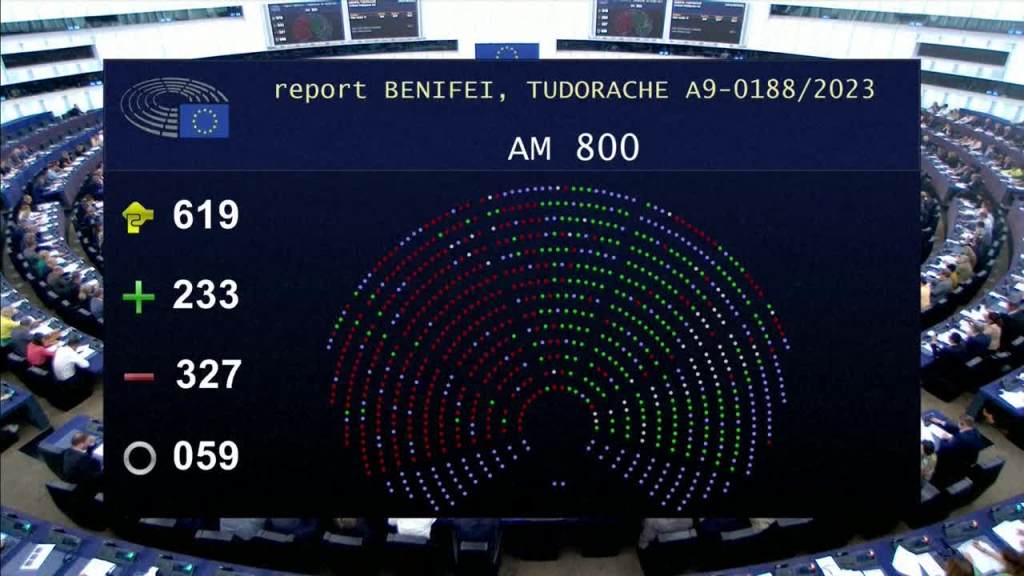
There is no doubt that AI is rapidly expanding its presence in various areas, prompting the EU to take decisive steps towards AI regulation. The EU AI Act was approved by the parliament on Wednesday,14th June and is expected to become law by the end of this year.

The EU AI Act will serve as a comprehensive guideline for the use of AI in the workplace, positioning the EU as one of the world leaders in AI regulation.

Recently, the EU voted to exempt draft language on generative AI regulation, bringing the new AI Act closer to becoming law. However, before it becomes a law, it needs approval from the main legislative branch. Given the EU’s history of prompt actions, there is optimism that the Act will soon gain legal status.

While the impending enactment of the act is a positive development, there have been concerns regarding the draft language of the regulation, particularly in areas like enhanced biometric surveillance, emotion recognition, predictive policy, and generative AI like ChatGPT.

Regarding generative AI, it is a broad and significant aspect that cannot be overlooked, as it can profoundly impact various aspects of society, including elections and decision-making.

The EU AI Act classifies AI applications into four categories based on risk: little or no risk, limited risk, high risk, and unacceptable risk. Examples of little or no risk applications include spam filters and game components, while limited risk applications encompass chatbots and minor face rules and guidelines. High-risk applications involve areas like transportation, employment, financial services, and other sectors impacting safety. Unacceptable risks refer to applications that threaten people’s rights, livelihoods, and safety.

According to the EU AI draft regulation, any organization or individual utilizing generated content must disclose it to the user. Although many companies and businesses are integrating AI into their systems, adhering to the regulation may present challenges.

The official proposal for the Act was made in April 2021 and has undergone several amendments since then. It is yet to undergo negotiation between the Parliament, European Commission, and the council of the European Union, with the final agreement expected by the end of the year.

The implications of the EU AI Act extend beyond Europe, with major AI companies like OpenAI, the creator of ChatGPT, expressing concerns about complying with the regulation. Companies like Google and Microsoft, which invest heavily in AI, have also shown signs of disapproval. However, the EU AI Act aims to mitigate the risks associated with AI to ensure that its benefits outweigh the adverse effects.

AI Limitations

As per the EU AI regulations, there are limitations on what AI can do, particularly in areas posing risks to people’s safety. These areas include:

● Biometric identification systems

● Biometric categorization systems using sensitive characteristics

● Predictive policing systems

● Emotion recognition systems in law enforcement, border management, the workplace, and educational institutions

● Untargeted scraping of facial images from the internet or CCTV footage to create facial recognition databases

High-Risk AI

According to the EU AI Act, high-risk AI is when AI poses a threat to people’s health, safety, fundamental rights, or the environment, such as using AI to influence voters and election outcomes.

To operate in the EU, AI companies must adhere to transparency requirements and take precautions to prevent generating illegal content. However, the use of copyrighted data may present challenges at present.

Did you like this post? Do you have any feedback? Do you have some topics you’d like me to write about? Do you have any ideas on how I could make this better? I’d love your feedback!

Feel free to reach out to me on Twitter!
Deepfake impact on cyber security

Deepfakes can have a significant impact on cybersecurity as they can be used to spread misinformation and deceive people, making it difficult to identify legitimate information and actions. Here are some ways deepfakes can impact cybersecurity:

1. Phishing attacks: Deepfake technology can be used to create convincing voice or video messages that appear to come from a trusted source, such as a company executive or a colleague. Attackers can use these deepfakes to trick individuals into sharing sensitive information or performing actions that could compromise their organization’s security.

2. Social engineering: Deepfakes can be used to impersonate individuals, such as celebrities or public figures, and manipulate public opinion or incite political unrest. These types of deepfakes can be used to spread disinformation or influence public perception, potentially causing social or political chaos.

3. Identity theft: Deepfake technology can be used to create convincing video or audio recordings that appear to be from a legitimate source. Attackers can use these deepfakes to impersonate individuals and gain access to sensitive information or financial accounts.

4. Cybercrime: Deepfakes can be used to create convincing fake identities or fake credentials that can be used to carry out cyberattacks. This can make it more difficult to track down attackers and prevent future attacks.

5. Reputation damage: Deepfakes can be used to damage an individual’s reputation or the reputation of an organization. For example, attackers can create fake videos or audio recordings of an individual saying or doing something inappropriate or illegal, causing damage to their personal or professional reputation.

Overall, deepfakes pose a significant threat to cybersecurity, and it is essential to stay vigilant and use appropriate security measures to protect against these types of attacks.

To defend against deepfake attacks, organizations can use a variety of strategies, including:

· Training employees to recognize deepfakes and to verify the authenticity of information before acting on it.

· Using advanced technologies, such as blockchain or cryptographic signatures, to verify the authenticity of information.

· Monitoring social media and other online platforms for signs of deepfake activity.

· Developing policies and procedures for responding to deepfake attacks, including reporting them to law enforcement and conducting an internal investigation.

· Be vigilant: Be aware of the possibility of deepfake attacks and keep an eye out for any suspicious videos or images that seem to be too good to be true. Be especially cautious when sharing content that seems unusual or out of character for the person depicted.

· Use authentication tools: Consider using authentication tools such as digital signatures or watermarking to verify the authenticity of the content. These tools can help to confirm that the video or image is legitimate and hasn’t been altered.

· Educate yourself: Learn how deepfake attacks work and how to recognize them. By educating yourself on the latest techniques used by attackers, you can better protect yourself against these types of attacks.

· Verify sources: Always verify the source of any videos or images before sharing or publishing them. This can help to prevent the spread of fake content.

· Use machine learning tools: Use machine learning tools to detect deepfake attacks. There are a growing number of tools available that use AI to identify and flag deepfake content.

· Build awareness: Raise awareness of the dangers of deepfake attacks and educate others on how to recognize and defend against them. The more people know about these attacks, the less likely they are to be successful.

Did you like this post? Do you have any feedback? Do you have some topics you’d like me to write about? Do you have any ideas on how I could make this better? I’d love your feedback!

Feel free to reach out to me on Twitter!

Is AI a Conscious Technology?

In 2023 there has been so much hype about AI and how it can make work easier. AI has advanced such that it can drive cars, recognize voices or even compose music. Initially, people used AI in many ways, but they didn’t realize it. For instance, voice search and applications such as Siri have been there for a while. Surprisingly, many people needed to be made aware that it uses AI technology.

How does the human mind compare to AI?

One advantage of AI is that it can efficiently process complex information. Its downside is that it never does it consciously. On the other hand, the human brain can process complex information but does it consciously.

The fact that the human mind can generate subjective experiences is one thing AI will never beat. There’s likely no such thing as artificial consciousness.

AI consciousness research

There has been plenty of research that has been done regarding consciousness.

Ned Block, for instance, found out that consciousness is grounded in biology, and thus, synthetic systems such as AI cannot have absolute consciousness.

On the other hand, Cambridge believes that biological brains are not necessary for consciousness; thus, engineered solutions such as AI can still attain consciousness. Cambridge believes that engineered conscious AI is on its way and will be available by the end of the century.

Dr. Tom McClelland, a lecturer at Clare College, believes that both parties are wrong about consciousness as most people do not know much about consciousness.

Human consciousness is mysterious in a way. Cognitive neuroscience can tell what exactly is going on when you read an article, such as your perception, understanding, evaluation, etc. It, however, cannot tell your conscious experience. Is that consciousness?

Then neural patterns typically occur when you process information consciously, but there’s no distinction between conscious and unconscious neural processes.

If humans understand what makes us conscious, it’s possible to know whether AI has what it takes.

What makes us conscious is the integration of information in the brain. And if that’s the case, then AI can undoubtedly be conscious.

If humans are conscious because of neurobiology, no programming will make AI conscious. The problem is we are still determining if it is true.

When we know the limitations of human understanding, we can see the possibility of AI consciousness.

AI must be treated like any other tool if it does not have subjective awareness.

It’s still unclear whether AI is conscious or not. What options do humans have?

1. Assume AI is not conscious

Even though AI systems are getting more complex and sophisticated by the day, we should not consider them when making moral decisions.AI is a product of unconscious processes and should be treated that way.

2. Assume AI is conscious and treat it with caution

That means we should assume that sophisticated AI is sentient. This may, however, come with an ethical disaster. We might use valuable resources

but still risk our morality.

Since there are pros and cons to both approaches, it is better to take precautions until you clearly understand the consciousness

When proposing a global moratorium on creating artificial consciousness, Thomas Metzinger argues that if we wait to understand consciousness fully, we might wait for a very long time. This may deny the world the benefits of sophisticated AI technology. He believes that even with the moratorium, there is a risk of having conscious AI. There is also a chance that conscious AI is already here.

What does the future hold?

There is a need for philosophers and cognitive scientists to work on consciousness, but there is unlikely they will get a solution now. People should reflect on why they value consciousness. Are subjective experiences really worth it?

Undoubtedly, if conscious AI is not here already, it will be soon.

AI being conscious does not stop the technology from breaking barriers and causing an impact. AI will only improve with time, with more adoption expected in the market.

Did you like this post? Do you have any feedback? Do you have some topics you’d like me to write about? Do you have any ideas on how I could make this better? I’d love your feedback!

Feel free to reach out to me on Twitter!