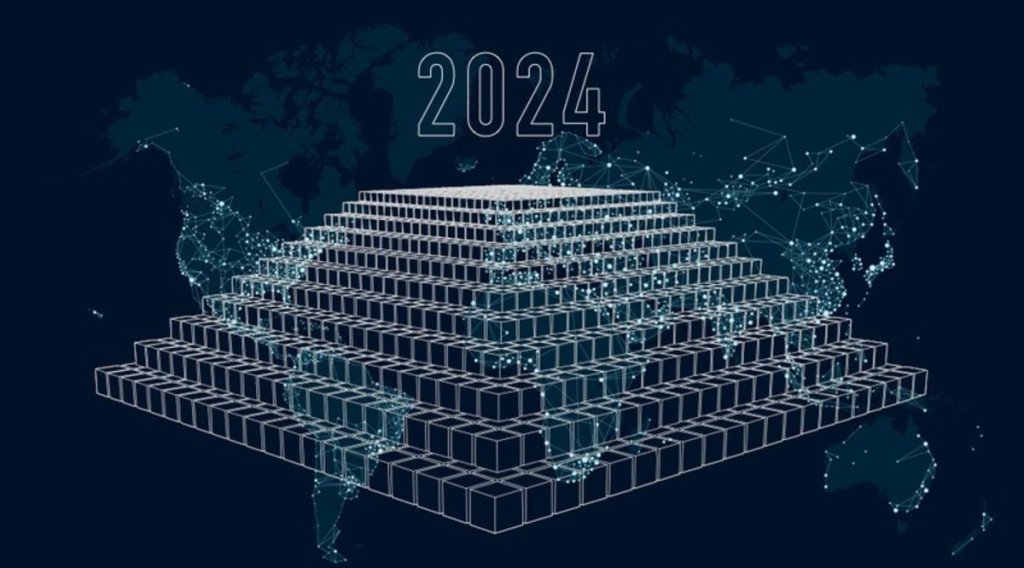
Interoperability: Addressing the Key Blockchain Challenge in a Fragmented Web3 World

In the burgeoning landscape of Web3, the potential for decentralization, transparency, and innovation is vast. However, this rapidly evolving ecosystem faces a significant hurdle: interoperability. As blockchain technology progresses, the challenge of interoperability stands as a critical barrier in the path towards a unified and functional Web3.

Web3, powered by blockchain technology, champions decentralization, offering a framework where data is distributed and decentralized applications (dApps) thrive. While this heralds a new era in technology, the diversification of blockchain networks has resulted in a fragmented environment. Numerous blockchains, each with distinct protocols, smart contract capabilities, consensus mechanisms, and functionalities, contribute to this fragmentation.

The lack of interoperability between these diverse blockchains inhibits seamless communication and exchange of data and assets. It restricts the potential for these blockchains to interact cohesively and limits the overall efficiency and utility of the Web3 ecosystem.

Imagine a scenario where different blockchains resemble isolated islands, each with its unique set of rules, unable to communicate or transact with one another. This segregation limits the potential of blockchain technology to transform various sectors, such as finance, supply chain management, healthcare, and more.

Addressing this challenge is imperative for the advancement and widespread adoption of Web3. To achieve a more interconnected and functional Web3, initiatives focusing on interoperability are emerging:

  1. Cross-Chain Communication Protocols: Various projects and protocols are striving to create interoperability solutions, allowing different blockchains to communicate and share data effectively. Protocols such as Polkadot, Cosmos, and ICON are working on establishing networks that facilitate communication and data transfer between blockchains.
  2. Interoperability Standards: Efforts are underway to establish interoperability standards that can be adopted across different blockchains. These standards would enable seamless interaction and data exchange between various blockchain networks, fostering a more cohesive ecosystem.
  3. Bridge Technologies: Bridge technologies aim to create connections between different blockchains, allowing for the transfer of assets and data across these networks. These bridges serve as conduits, enabling interoperability and enabling diverse blockchains to collaborate.
  4. Universal Decentralized Protocols: The development of universal protocols that transcend the limitations of individual blockchains is crucial. These protocols should support interoperability, allowing for the transfer and exchange of assets and data in a trustless and decentralized manner.

Achieving interoperability in the Web3 landscape will pave the way for a more interconnected and efficient ecosystem. It will unlock the full potential of blockchain technology by enabling seamless communication, data transfer, and collaboration between different networks. Interoperability is not merely a technical challenge; it is a fundamental step towards realizing the transformative power of Web3 across multiple industries.

As the Web3 journey progresses, efforts to bridge the gap between these isolated blockchain networks are fundamental. By fostering interoperability, the vision of a more unified, transparent, and efficient decentralized web becomes a tangible reality. The evolution of Web3 will significantly benefit from a cohesive, interoperable ecosystem, unlocking its full potential for widespread adoption and transformative impact.

Did you like this post? Do you have any feedback? Do you have some topics you’d like me to write about? Do you have any ideas on how I could make this better? I’d love your feedback!

Feel free to reach out to me on Twitter!

AI and Crypto Could Achieve So Much More Together

AI and crypto, two transformative technologies in their own right, have been making waves individually, but the fusion of these innovations holds the potential for groundbreaking developments that could reshape industries and redefine paradigms. This article will delve into the synergies between AI and crypto and explore the possibilities and potential they hold together.

The Intersection of AI and Crypto

AI’s Role in Crypto:

Artificial Intelligence, with its machine learning and predictive analytics, has found diverse applications within the crypto landscape:

  1. Trading and Analysis: AI algorithms analyze vast amounts of data to predict market trends, optimize trading strategies, and execute trades more efficiently.
  2. Fraud Detection: AI-driven systems detect fraudulent activities and enhance security within cryptocurrency transactions.
  3. Blockchain Optimization: AI contributes to enhancing blockchain systems by improving consensus mechanisms, scalability, and smart contract efficiency.

Crypto’s Impact on AI:

Cryptocurrencies and blockchain technology have influenced the evolution of AI:

  1. Decentralization and Data Privacy: Blockchain technology enables secure, decentralized data storage, preserving privacy and providing reliable data sources for AI algorithms.
  2. Tokenization and Incentives: Cryptocurrencies offer incentives, fostering the development of AI models and datasets, creating a new marketplace for data exchange.

Potential Collaborations and Synergies

Smart Contracts and AI Oracles:

AI-driven oracles in smart contracts could introduce dynamic, data-driven contracts that respond to real-world events. This fusion could optimize contract execution and reduce reliance on manual intervention.

Decentralized Autonomous Organizations (DAOs) and AI:

Integrating AI within DAOs could enhance decision-making processes and governance structures. AI could provide analytical insights to assist in decentralized decision-making within these organizations.

Predictive Analytics in Crypto Markets:

AI’s predictive capabilities could offer valuable insights in understanding and forecasting crypto market trends, enhancing trading strategies, risk management, and investment decisions.

Challenges and Ethical Considerations

Data Quality and Bias:

Ensuring high-quality data is crucial for AI models, and within the crypto space, data transparency and accuracy pose challenges. Addressing biases in cryptocurrency data is essential to avoid skewed predictions.

Regulatory and Security Concerns:

The fusion of AI and crypto raises regulatory challenges concerning security, privacy, and legal compliance. Balancing innovation with regulatory standards is crucial to navigate potential legal obstacles.

Ethical AI Usage:

AI applications within crypto, especially in trading and investment, must prioritize ethical considerations to prevent manipulative or exploitative practices.

Future Prospects and Innovations

AI-Driven Personalized Finance:

Tailored financial services utilizing AI could emerge within the crypto ecosystem, offering customized investment advice and personalized financial solutions.

Blockchain Interoperability and AI Integration:

Developments in interoperability protocols could facilitate the integration of various blockchains, enabling AI applications to function across multiple platforms.

Decentralized AI Networks:

Decentralized AI networks utilizing blockchain could offer secure, collaborative platforms for AI development, fostering collective innovation and data sharing.

The convergence of AI and crypto presents an exciting frontier for innovation, yet it demands careful considerations in terms of ethics, regulations, and technological advancements. While the amalgamation offers immense promise, navigating the complexities of these technologies will be essential in realizing their full potential. As both AI and crypto continue to evolve, the collaboration between these two disruptive technologies could herald a new era of innovation, transforming industries and empowering novel applications that could drive substantial societal and economic changes.

Did you like this post? Do you have any feedback? Do you have some topics you’d like me to write about? Do you have any ideas on how I could make this better? I’d love your feedback!

Feel free to reach out to me on Twitter!
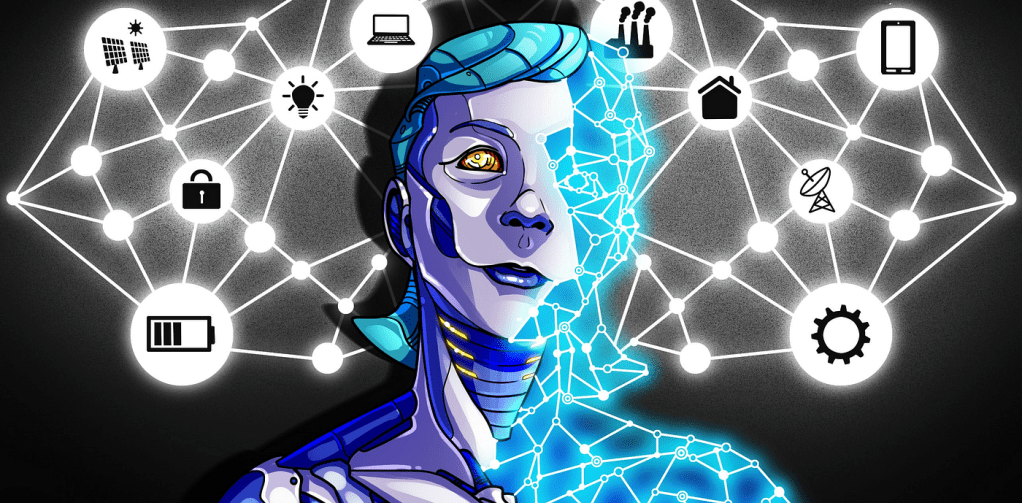
Understanding Blockchain Layers: From Layer 0 to Layer 3

Blockchain technology is a transformative force that’s reshaping industries and sectors worldwide. At its core, a blockchain is a distributed, immutable ledger that records transactions. However, to address the growing complexity of various use cases and applications, blockchain technology has evolved to operate across multiple layers, often referred to as Layer 0, Layer 1, Layer 2, and Layer 3. This article provides an in-depth exploration of these blockchain layers and their significance in the world of decentralized technologies.

Layer 0: The Foundational Layer

Layer 0 is often considered the foundational layer, even though it’s not always explicitly named as such. This layer includes the physical infrastructure, such as the hardware and networking protocols, that underpins the blockchain network. Key elements of Layer 0 include:

  • Consensus Mechanisms: Layer 0 defines how consensus is achieved among network participants. This encompasses various algorithms like Proof of Work (PoW), Proof of Stake (PoS), and more.
  • Peer-to-Peer Networking: The communication protocols that enable nodes to interact, synchronize, and validate transactions are part of Layer 0.
  • Cryptographic Security: The cryptographic techniques that secure data and transactions are a critical component of this layer.
  • Physical Hardware: The actual servers, data centers, and mining equipment used in the network reside in Layer 0.

Layer 0 provides the infrastructure that supports the higher layers and ensures the integrity and security of the entire blockchain system.

Layer 1: The Blockchain Protocol Layer

Layer 1 is where the blockchain protocol itself resides. It’s the layer that most people think of when they hear the term “blockchain.” Each blockchain network, like Bitcoin, Ethereum, or others, operates within its unique Layer 1 protocol. Key features of Layer 1 include:

  • Blockchain Data Structure: Layer 1 defines the structure of the blockchain, encompassing blocks, transactions, and the ledger itself.
  • Consensus Rules: It sets the rules for validating and reaching consensus on transactions. For example, in Bitcoin, miners validate transactions through the PoW consensus algorithm.
  • Cryptocurrency: Layer 1 defines the native cryptocurrency (e.g., Bitcoin, Ether) used within the network.
  • Smart Contracts: Some Layer 1 blockchains, like Ethereum, support smart contracts, enabling decentralized applications (dApps).

Layer 1 is often where the blockchain’s decentralization and security features are most prominently featured. It’s where the actual ledger of transactions is stored and updated.

Layer 2: Scalability Solutions

Layer 2 solutions are built on top of Layer 1 to address its scalability limitations. As blockchain networks grow, they often face challenges related to slow transaction speeds and high fees. Layer 2 solutions aim to alleviate these issues. Key components of Layer 2 include:

  • Sidechains: These are separate blockchains that can interact with the main Layer 1 blockchain, reducing congestion and enabling faster and cheaper transactions.
  • Payment Channels: Payment channels like the Lightning Network for Bitcoin enable off-chain transactions, reducing the load on the Layer 1 blockchain.
  • Plasma Chains: These are Layer 2 solutions that can handle a high volume of transactions, processing them off-chain and submitting summaries to the Layer 1 blockchain.

Layer 2 solutions enhance scalability, reduce transaction costs, and improve the overall efficiency of blockchain networks.

Layer 3: Application and Services Layer

Layer 3 is where the user-facing applications, services, and functionalities are developed. This layer includes dApps, DeFi platforms, NFT marketplaces, and any other service that interacts with the blockchain. Key features of Layer 3 include:

  • Decentralized Applications (dApps): These are software applications that operate on the blockchain, offering various services and functionalities.
  • DeFi Platforms: Decentralized Finance (DeFi) applications provide financial services such as lending, borrowing, and trading.
  • NFT Marketplaces: Non-Fungible Token (NFT) marketplaces enable the creation, sale, and purchase of unique digital assets.
  • Oracles: These provide real-world data to the blockchain, supporting smart contracts and dApps.

Layer 3 is the most visible and accessible part of the blockchain ecosystem, where end-users interact with the technology and its applications.

The Interconnected Blockchain Ecosystem

Each layer of the blockchain ecosystem is interconnected and relies on the layers beneath it. The foundational Layer 0 infrastructure supports the blockchain protocol at Layer 1, which, in turn, is essential for the operation of Layer 2 scalability solutions. Layer 3 applications and services interact with all underlying layers to provide users with a seamless experience.

Understanding these blockchain layers is crucial for grasping the complexity of decentralized technologies. It highlights how different components work together to create a secure, scalable, and user-friendly blockchain ecosystem. As blockchain technology continues to evolve, these layers will continue to adapt and expand, offering new possibilities and use cases for various industries and applications.

Did you like this post? Do you have any feedback? Do you have some topics you’d like me to write about? Do you have any ideas on how I could make this better? I’d love your feedback!

Feel free to reach out to me on Twitter!
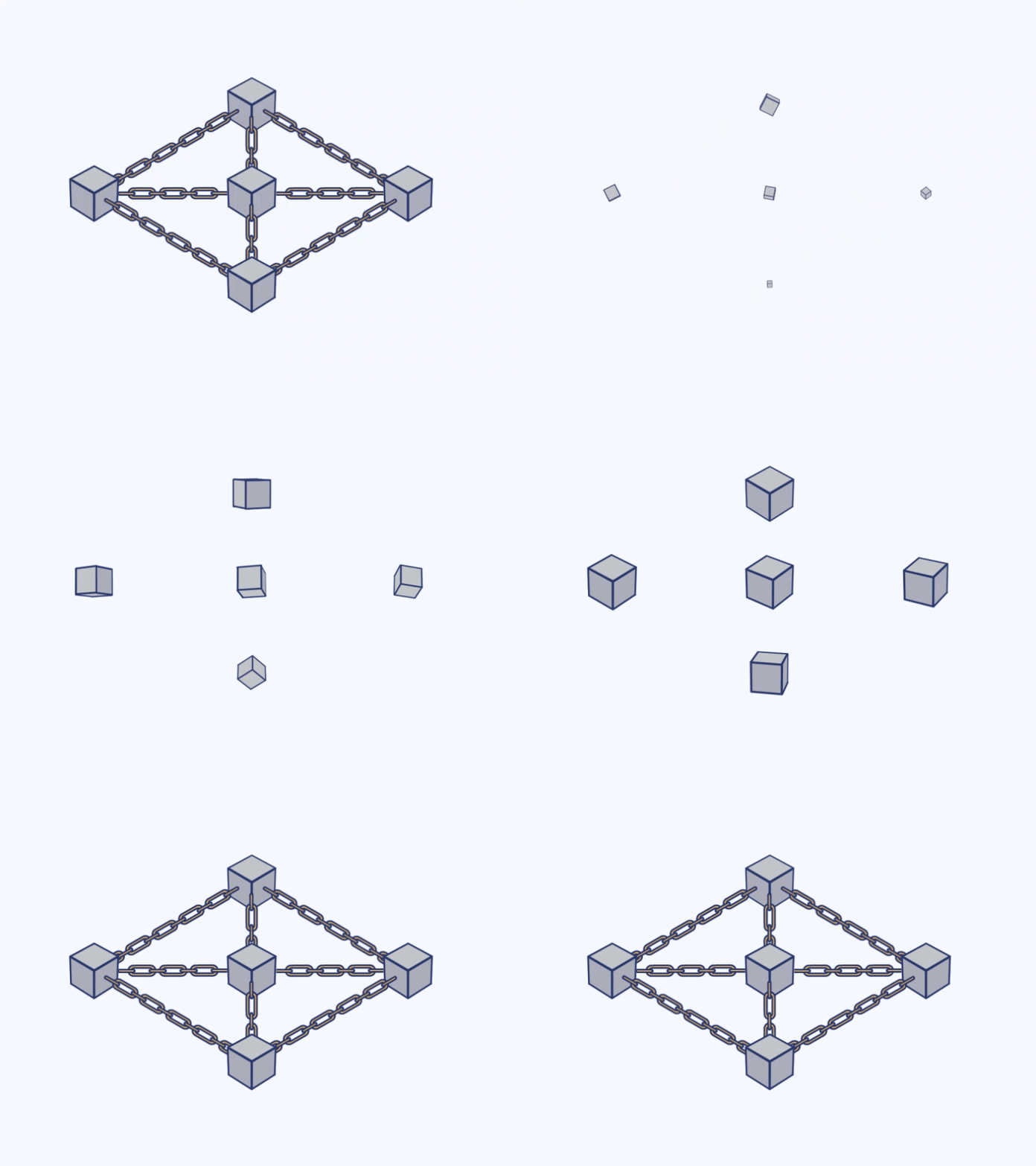
Financialization, Web 3.0, and DeFi’s Push: How It All Affects Your Portfolio and Future

In the ever-evolving landscape of finance and technology, the convergence of financialization, Web 3.0, and the relentless growth of DeFi (Decentralized Finance) is fundamentally altering the way we manage our portfolios and plan for the future. This article delves into this transformative intersection and its implications for your investments, assets, and financial strategies.

Financialization: A Historical Perspective

Financialization is the process by which financial markets, financial institutions, and financial motives become increasingly dominant in shaping economic policies and economic outcomes. It’s a concept that has been steadily growing in influence over the past few decades. Key elements of financialization include:

  • The Rise of Complex Financial Instruments: The proliferation of derivatives, swaps, and other financial instruments has become a hallmark of financialization, allowing for the creation of diverse investment options.
  • The Growth of Financial Institutions: Large financial institutions have extended their reach into various sectors of the economy, including traditional banking, asset management, and insurance.
  • Securitization: The process of bundling loans and selling them as tradable securities has fueled financialization, enabling investors to take on more complex and diverse positions.

Web 3.0: A Paradigm Shift in Technology

Web 3.0 represents the third generation of the internet, characterized by decentralization, blockchain technology, and a return to user control over data and digital assets. This paradigm shift includes:

  • Blockchain Technology: Blockchain is at the core of Web 3.0. It provides transparency, security, and decentralization, making it a fundamental component for DeFi.
  • Decentralized Applications (dApps): These are applications that run on decentralized networks, offering various use cases from gaming to finance, and enabling users to directly interact with each other.
  • Digital Sovereignty: Users have more control over their digital identities, data, and assets, reducing reliance on centralized platforms and institutions.

The Rise of DeFi: Democratizing Finance

DeFi, or Decentralized Finance, is the embodiment of the financialization of the blockchain. It’s a system of financial applications built on blockchain technology that aims to recreate traditional financial systems without the need for banks and other intermediaries. Key aspects of DeFi include:

  • Lending and Borrowing: DeFi platforms allow users to lend or borrow assets, earning interest on their holdings or taking out loans without a traditional financial intermediary.
  • Decentralized Exchanges (DEXs): DEXs enable users to trade cryptocurrencies directly from their wallets, without relying on a centralized exchange.
  • Yield Farming and Liquidity Provision: DeFi offers opportunities for users to provide liquidity to various protocols and earn rewards in the form of tokens.
  • Staking and Governance: Users can stake their assets in decentralized networks to participate in governance and decision-making processes.

Implications for Your Portfolio and Financial Future

The intersection of financialization, Web 3.0, and DeFi has significant implications for your portfolio and financial future:

  • Diversification Opportunities: DeFi introduces new asset classes and investment opportunities. By diversifying into DeFi assets, you can mitigate risk and potentially enhance returns.
  • Ownership and Control: Web 3.0 technologies provide you with more control over your digital assets and financial identity, reducing reliance on centralized entities.
  • Risk and Volatility: DeFi assets can be highly volatile, and the regulatory environment is evolving. A careful approach to risk management is crucial.
  • Financial Inclusion: DeFi has the potential to expand access to financial services for unbanked and underbanked populations worldwide.
  • Adaptability: To stay ahead in this evolving landscape, being adaptable and staying informed about emerging technologies and investment opportunities is vital.

Conclusion: Navigating the New Financial Frontier

The intertwining of financialization, Web 3.0, and DeFi presents both challenges and opportunities for investors. As the financial landscape continues to evolve, understanding these developments and adopting strategies that align with this new paradigm can be essential for building a resilient and forward-looking portfolio. Embracing digital sovereignty, staying informed, and being open to new investment opportunities in DeFi are steps toward securing your financial future in this dynamic era.

Did you like this post? Do you have any feedback? Do you have some topics you’d like me to write about? Do you have any ideas on how I could make this better? I’d love your feedback!

Feel free to reach out to me on Twitter!