Navigating the Cyber Landscape: Cybersecurity Trends Unveiled for 2024

As we step into 2024, the ever-evolving landscape of cybersecurity continues to be a critical aspect of our digital existence. In this annual roundup, we explore the top forecasts, emerging trends, and industry predictions that are set to define the cybersecurity realm in the coming year.

  1. Rise of Quantum-Resistant Technologies: The advent of quantum computing poses a significant threat to traditional cryptographic methods. In 2024, we anticipate a surge in the development and adoption of quantum-resistant encryption and security protocols to safeguard sensitive data against the potential risks posed by quantum advancements.
  2. AI-Powered Threats and Countermeasures: Artificial intelligence (AI) is increasingly being integrated into cyberattacks, making them more sophisticated and harder to detect. Cybersecurity defenses are also leveraging AI to enhance threat detection, automate incident response, and fortify network security. The battle between AI-driven attacks and AI-powered defenses is set to intensify in 2024.
  3. Extended Cybersecurity Workforce Shortage: The shortage of skilled cybersecurity professionals is expected to persist and even worsen in 2024. As cyber threats become more complex, organizations will grapple with the challenge of recruiting and retaining qualified cybersecurity experts. Automation and AI-driven tools will play a crucial role in alleviating some of the workforce shortages.
  4. Zero Trust Architecture Dominance: With the escalating frequency of cyber threats, the Zero Trust security model will continue to gain prominence. In 2024, organizations will increasingly adopt a Zero Trust approach, which assumes that no entity, whether inside or outside the network, can be trusted, and rigorous verification is required from everyone trying to access resources.
  5. Blockchain for Enhanced Security: Blockchain technology is not limited to cryptocurrencies; its decentralized and tamper-resistant nature makes it a valuable asset in cybersecurity. Expect to see increased utilization of blockchain for securing data, managing identities, and enhancing the integrity of critical systems in 2024.
  6. Heightened Focus on IoT Security: As the Internet of Things (IoT) ecosystem expands, so does the attack surface for cyber threats. In 2024, there will be a heightened emphasis on bolstering the security of IoT devices. This includes implementing robust authentication mechanisms, ensuring timely software updates, and establishing industry-wide standards for IoT security.
  7. Regulatory Developments in Cybersecurity: Governments and regulatory bodies are recognizing the urgency of addressing cybersecurity challenges. Anticipate the introduction of new regulations and the strengthening of existing ones to enforce stringent cybersecurity measures across industries. Compliance requirements are likely to become more comprehensive and specific.
  8. Evolving Ransomware Tactics: Ransomware attacks will evolve in both sophistication and scale in 2024. Cybercriminals will continue to refine their tactics, possibly incorporating AI and machine learning to tailor attacks based on the target’s vulnerabilities. Organizations must focus on robust backup strategies, employee training, and proactive defense measures to mitigate the impact of ransomware.

As we venture into 2024, the cybersecurity landscape is characterized by both challenges and innovations. Organizations must stay vigilant, adapt to emerging threats, and embrace cutting-edge technologies to secure their digital assets. The proactive adoption of quantum-resistant encryption, AI-driven defenses, Zero Trust principles, and blockchain integration will be instrumental in fortifying cyber defenses in the years ahead.

Did you like this post? Do you have any feedback? Do you have some topics you’d like me to write about? Do you have any ideas on how I could make this better? I’d love your feedback!

Feel free to reach out to me on Twitter!

The Growing Impact of Generative AI on Cybersecurity and Identity Theft

In recent years, the advancement of Generative Artificial Intelligence (Generative AI) has revolutionized various industries, from entertainment to healthcare. However, as this cutting-edge technology becomes more sophisticated, it also poses significant challenges to cybersecurity and raises concerns about the potential increase in identity theft incidents. This article explores the growing impact of Generative AI on cybersecurity and the measures needed to protect individuals and organizations from its potential malicious applications.

  1. Understanding Generative AI: Generative AI is a subset of artificial intelligence that focuses on generating data rather than analyzing it. Generative models, such as Generative Adversarial Networks (GANs) and Variational Autoencoders (VAEs), can create realistic and convincing content, such as images, text, and even audio, that resembles authentic human-generated data.
  2. The Rise of AI-Enhanced Cyberattacks: As cybercriminals seek more sophisticated methods to exploit vulnerabilities, they are increasingly turning to Generative AI to launch sophisticated cyberattacks. From generating realistic phishing emails to deepfake audio and video for social engineering, AI-driven attacks are becoming harder to detect and defend against.
  3. Identity Theft in the AI Era: Generative AI has opened the door to new challenges in identity theft. With AI-generated images and videos, malicious actors can create highly realistic fake profiles, further complicating identity verification processes. This could lead to unauthorized access, data breaches, and even reputational damage for individuals and organizations alike.
  4. AI-Powered Fraud and Social Engineering: Generative AI enables attackers to craft convincing social engineering scams that exploit personal information and manipulate individuals into divulging sensitive data. As AI-generated content improves in quality, the effectiveness of these fraudulent campaigns is likely to increase.
  5. Challenges for Cybersecurity Defenses: Traditional cybersecurity defenses, often reliant on rules and patterns, struggle to identify AI-generated malicious content. Machine learning and AI-powered defense mechanisms are necessary to detect and combat these evolving threats effectively.
  6. The Role of AI in Cybersecurity: While Generative AI poses challenges, it also offers solutions. AI can be leveraged to enhance cybersecurity defense strategies, including advanced threat detection, anomaly detection, and real-time monitoring to identify potential AI-generated threats.
  7. Strengthening Identity Verification: To counter the rise of AI-enhanced identity theft, organizations need to adopt robust identity verification methods. AI-based biometric authentication and multi-factor authentication are some of the tools that can help establish strong user identities.
  8. Educating Users: Awareness and education are crucial in the fight against AI-driven cyber threats. Individuals should be educated about the potential risks of sharing sensitive information online and be cautious when dealing with requests for personal data.

As Generative AI continues to evolve, its impact on cybersecurity and identity theft will become more pronounced. While the technology poses new challenges for defenders, it also holds the potential to enhance cybersecurity strategies. With a proactive approach that leverages AI for defense and fosters awareness among users, we can mitigate the risks and protect ourselves from the growing threats in the age of AI-driven cybercrime.

Did you like this post? Do you have any feedback? Do you have some topics you’d like me to write about? Do you have any ideas on how I could make this better? I’d love your feedback!

Feel free to reach out to me on Twitter!

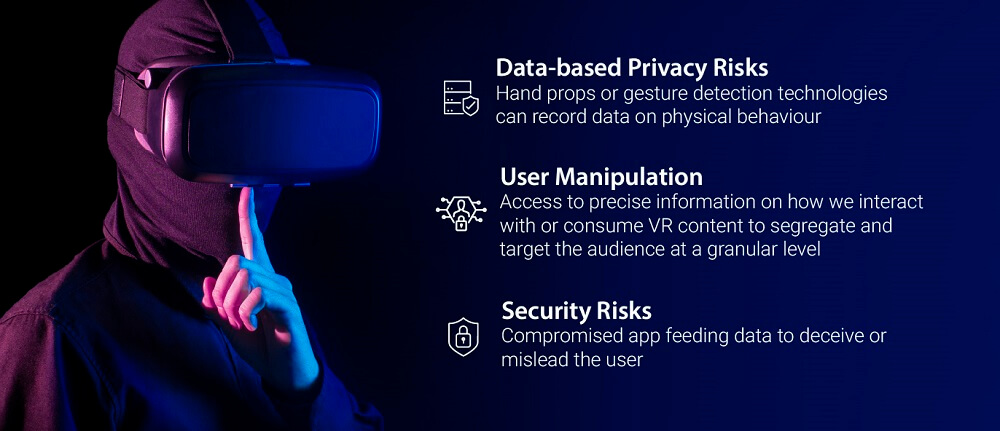
Virtual reality impact on cyber security

Virtual reality (VR) can have both positive and negative impacts on cybersecurity. Here are some ways in which VR can affect cybersecurity:

Positive Impacts:

1. Training and Education: VR can be used to train employees in cybersecurity by creating simulated environments where they can practice handling cyber attacks. This can help them become more familiar with the threats and learn how to respond in a safe, controlled environment.

2. Testing and Vulnerability Assessment: VR can also be used to test the security of systems and networks by simulating attacks and identifying vulnerabilities before they can be exploited by real-world hackers.

3. Secure Communication: VR can provide a secure platform for communication, especially for remote teams, as it can create an immersive virtual space where sensitive information can be shared without the risk of interception.

Negative Impacts:

1. VR Malware: Hackers can exploit vulnerabilities in VR software and use it as a means of spreading malware to unsuspecting users, thereby compromising the security of the system.

2. Social Engineering: VR can also be used to conduct social engineering attacks, where hackers can manipulate users into revealing sensitive information or performing actions that can compromise the security of the system.

3. Physical Security: Since VR can create immersive and realistic environments, it can be used to conduct physical security breaches, where hackers can bypass physical security measures in the real world by manipulating the virtual environment.

In summary, while VR has the potential to enhance cybersecurity, it also poses new challenges that need to be addressed by cybersecurity experts to ensure that it does not become a new avenue for cyber attacks.

As virtual reality (VR) technology becomes more prevalent, it’s important to consider the potential cybersecurity threats that come with it. Here are some ways to defend against VR cybersecurity threats:

· Keep your VR software updated: Software updates often contain security patches that fix known vulnerabilities. Make sure your VR software is up-to-date to ensure the latest security fixes are in place.

· Use strong passwords: Protect your VR accounts with strong passwords that are unique and not easily guessable. Consider using a password manager to generate and store strong passwords.

· Be cautious of public Wi-Fi: Public Wi-Fi networks are often unsecured and can leave your device vulnerable to cyber attacks. Avoid using public Wi-Fi networks when accessing VR content that requires sensitive information.

· Use antivirus software: Install and regularly update antivirus software on your device to protect against malware and other cyber threats.

· Be wary of phishing scams: Cybercriminals can use VR to create realistic phishing attacks that may trick you into giving away sensitive information. Be cautious of any VR content that asks for personal or financial information.

· Use a VPN: A virtual private network (VPN) can help protect your online privacy and security by encrypting your internet connection and masking your IP address.

· Limit VR permissions: Only grant necessary permissions to VR apps and content. This will help prevent malicious apps from accessing sensitive information on your device.

· Educate yourself on VR cybersecurity: Stay informed about the latest VR cybersecurity threats and how to defend against them. This will help you stay one step ahead of cybercriminals and protect your device and personal information.

Did you like this post? Do you have any feedback? Do you have some topics you’d like me to write about? Do you have any ideas on how I could make this better? I’d love your feedback!

Feel free to reach out to me on Twitter!

Metaverse Impact on cyber security

The Metaverse is a virtual space where users can interact with each other and digital objects in a three-dimensional environment. As the Metaverse continues to grow and evolve, it will have a significant impact on cybersecurity. Here are some potential ways the Metaverse could impact cybersecurity:

1. Increased cyber attacks: As more users join the Metaverse, it becomes a more attractive target for cybercriminals. The Metaverse will likely have many valuable digital assets, such as virtual real estate, in-game items, and cryptocurrency, making it an enticing target for theft and fraud.

2. New types of cyber threats: The Metaverse will introduce new types of cyber threats, such as virtual identity theft, social engineering, and virtual asset theft. These threats will require new security measures and strategies to mitigate.

3. Cross-platform security risks: The Metaverse is likely to span multiple platforms, including virtual reality, mobile devices, and traditional desktops. This creates new security risks, as vulnerabilities in one platform can potentially compromise the security of the entire Metaverse.

4. Greater emphasis on privacy: The Metaverse will likely involve the collection and sharing of vast amounts of personal data. This creates privacy concerns, particularly if the Metaverse is owned by a centralized entity that controls access to the virtual space.

5. New security challenges for developers: Developing applications for the Metaverse will require new security considerations. For example, developers will need to ensure that virtual assets are secure, that user data is protected, and that applications are not vulnerable to exploits or hacking.

To mitigate these risks, it will be important for metaverse developers to prioritize cyber security as they design and develop these technologies. They must also work with security experts to identify and address potential vulnerabilities and ensure that users have the necessary tools to protect their privacy and digital assets. Additionally, governments and regulatory bodies must develop clear guidelines and regulations for the use of metaverse technologies to promote cyber security and protect users.

Here are some tips to help you guard against cybersecurity assaults in the Metaverse:

· Use strong passwords and multi-factor authentication: Always use strong passwords and enable multi-factor authentication whenever possible. This can help prevent unauthorized access to your accounts and protect your personal data.

· Be cautious of suspicious links and emails: Don’t click on links or download attachments from unknown or suspicious sources. These can be used to install malware or steal your personal information.

· Use anti-virus and anti-malware software: Install anti-virus and anti-malware software on your devices to help detect and remove malicious software.

· Be mindful of what you share: Be careful about what personal information you share online, including in the metaverse. Avoid sharing sensitive information such as your home address, phone number, or social security number.

· Use a virtual private network (VPN): Consider using a VPN to encrypt your internet connection and protect your online activities from prying eyes.

· Stay informed: Keep up to date with the latest cyber security threats and trends in the metaverse. This can help you stay one step ahead of potential attackers and protect yourself more effectively.

Did you like this post? Do you have any feedback? Do you have some topics you’d like me to write about? Do you have any ideas on how I could make this better? I’d love your feedback!

Feel free to reach out to me on Twitter!