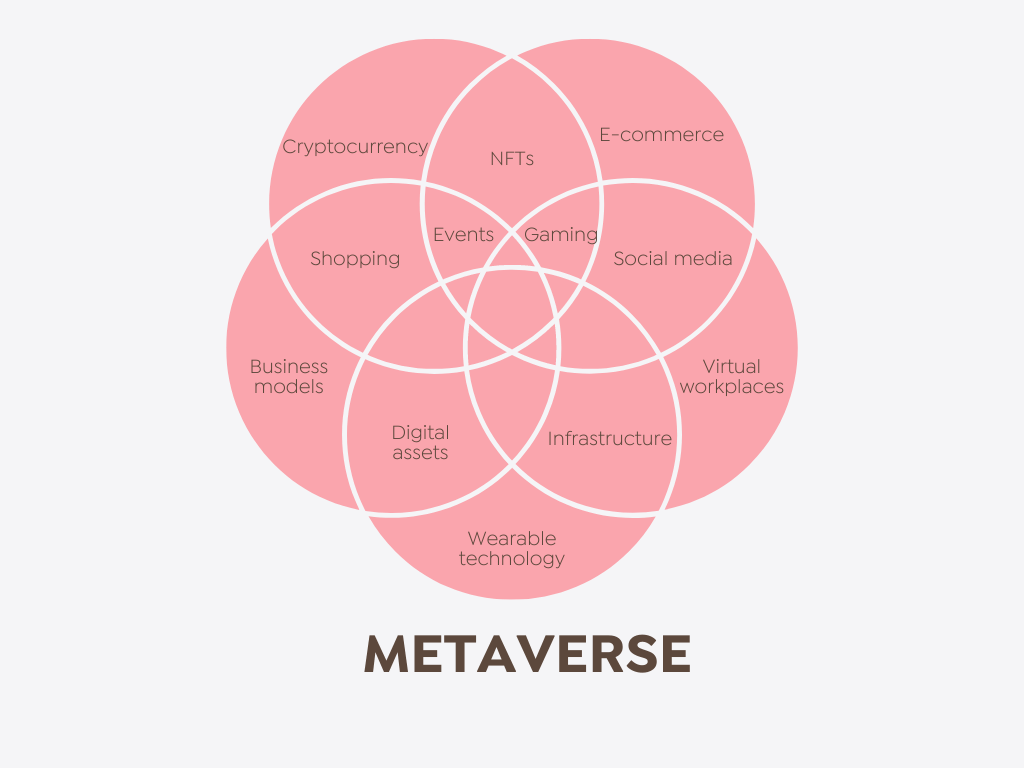
Deepfake impact on cyber security

Deepfakes can have a significant impact on cybersecurity as they can be used to spread misinformation and deceive people, making it difficult to identify legitimate information and actions. Here are some ways deepfakes can impact cybersecurity:

1. Phishing attacks: Deepfake technology can be used to create convincing voice or video messages that appear to come from a trusted source, such as a company executive or a colleague. Attackers can use these deepfakes to trick individuals into sharing sensitive information or performing actions that could compromise their organization’s security.

2. Social engineering: Deepfakes can be used to impersonate individuals, such as celebrities or public figures, and manipulate public opinion or incite political unrest. These types of deepfakes can be used to spread disinformation or influence public perception, potentially causing social or political chaos.

3. Identity theft: Deepfake technology can be used to create convincing video or audio recordings that appear to be from a legitimate source. Attackers can use these deepfakes to impersonate individuals and gain access to sensitive information or financial accounts.

4. Cybercrime: Deepfakes can be used to create convincing fake identities or fake credentials that can be used to carry out cyberattacks. This can make it more difficult to track down attackers and prevent future attacks.

5. Reputation damage: Deepfakes can be used to damage an individual’s reputation or the reputation of an organization. For example, attackers can create fake videos or audio recordings of an individual saying or doing something inappropriate or illegal, causing damage to their personal or professional reputation.

Overall, deepfakes pose a significant threat to cybersecurity, and it is essential to stay vigilant and use appropriate security measures to protect against these types of attacks.

To defend against deepfake attacks, organizations can use a variety of strategies, including:

· Training employees to recognize deepfakes and to verify the authenticity of information before acting on it.

· Using advanced technologies, such as blockchain or cryptographic signatures, to verify the authenticity of information.

· Monitoring social media and other online platforms for signs of deepfake activity.

· Developing policies and procedures for responding to deepfake attacks, including reporting them to law enforcement and conducting an internal investigation.

· Be vigilant: Be aware of the possibility of deepfake attacks and keep an eye out for any suspicious videos or images that seem to be too good to be true. Be especially cautious when sharing content that seems unusual or out of character for the person depicted.

· Use authentication tools: Consider using authentication tools such as digital signatures or watermarking to verify the authenticity of the content. These tools can help to confirm that the video or image is legitimate and hasn’t been altered.

· Educate yourself: Learn how deepfake attacks work and how to recognize them. By educating yourself on the latest techniques used by attackers, you can better protect yourself against these types of attacks.

· Verify sources: Always verify the source of any videos or images before sharing or publishing them. This can help to prevent the spread of fake content.

· Use machine learning tools: Use machine learning tools to detect deepfake attacks. There are a growing number of tools available that use AI to identify and flag deepfake content.

· Build awareness: Raise awareness of the dangers of deepfake attacks and educate others on how to recognize and defend against them. The more people know about these attacks, the less likely they are to be successful.

Did you like this post? Do you have any feedback? Do you have some topics you’d like me to write about? Do you have any ideas on how I could make this better? I’d love your feedback!

Feel free to reach out to me on Twitter!
Gulf Congress 2023: A Must-Attend Event for Tech Professionals

The 6th Edition of the Gulf Congress on Cybersecurity is an invite-only event that seeks to bring industry professionals together to discuss the opportunities and challenges around cybersecurity. This event is organized by Agora Group, an international company that connects firms to African and Arab markets. The Gulf Congress is a melting pot for CEOs, CIOs, COOs, and key decision-makers across governments, where they meet, brainstorm, and learn about emerging trends on cyber security.

Over the years, the Gulf Congress has morphed into a global event that is a must-attend for policy-makers across industries and governments. It continues to attract top professionals from industries such as finance, tech, oil and gas and healthcare. Some of the benefits of attending this event are: you get a chance to meet and interact with the movers and shakers of global trade. Secondly, since it is an invite-only event, attendees get a chance to have one-on-one meetings. Finally, buyers and sellers get a chance to have meetings that have been pre-arranged.

Discussion topics for this year’s congress will include the following: Supply Chain Risks and Cloud Security Challenges, Forensic and Cyber Crime, Virtual Reality, and DeepFake. This year’s event is scheduled to be held on the 9th of May 2023 in Dubai, UAE. It’s a one-day event that will include multiple activities that will start in the morning, with registrations and key presentations, and end in the evening with a training session.

Mehran Muslimi to Speak

Notable speakers who will grace this year’s event are: Anett Numa, a defense advisor to the Ministry of Estonia, Dr. Hoda AlkhZaimi, Co-chair of the World Economic Forum, and Mehran Muslimi, a world-renowned Fintech, and Blockchain Consultant. Mr. Muslimi is a senior tech consultant, angel investor, and entrepreneur with interests in blockchain, cryptocurrency, and cyber-security. Mehran has worked on multiple IT projects, with the most notable one being the development of a mobile VOIP application 9 months before the development of Viber. He is currently actively involved in blockchain space with multiple ongoing projects in the fintech ecosystem.

Did you like this post? Do you have any feedback? Do you have some topics you’d like me to write about? Do you have any ideas on how I could make this better? I’d love your feedback!

Feel free to reach out to me on Twitter!

Mehran Muslimi to feature as Speaker at the 6th Gulf Congress on Cyber Security

One of the largest tech events in the Gulf, the 6th Gulf Congress on Cyber Security, is set to be held on May 9th, 2023, in Dubai, UAE. The event is expected to attract a large number of participants from various industries, including banking, finance, insurance, healthcare, and technology. This global event provides a platform for participants to share their experiences and insights on different aspects of cybersecurity, including challenges, best practices, and emerging trends.

The event will have several keynote speakers who are experts in the field of cybersecurity. Some previous speakers who have graced this event include Hamad Al Khatheri, who is the Chief Cyber Security Officer in the Saudi Government and H.E. Dr. Mohamed Hamad Al Kuwaiti, the head of Cyber Security in the UAE. This year’s speakers include notable figures like Tony Hasek, Goldilock CEO, Hesham Saad from Microsoft and Mehran Muslimi, a renowned fintech and blokchain consultant.. Mr. Muslimi is a well-known name in the fintech industry and has been instrumental in the development of several blockchain-based financial solutions. His talk is expected to cover the latest developments in blockchain-based cybersecurity solutions and their potential to address the growing threat of cybercrime.

The event will have several panel discussions where experts will discuss topics such as supply chain and cloud security, virtual reality, deep fake, and forensic and cybercrime. The panel discussions will provide a platform for participants to ask questions and engage in discussions on various cybersecurity-related topics.

Overall, this congress is a melting pot for top companies and professionals who have an interest in cybersecurity. Some of the global companies that have actively supported this congress are General Electric, Huawei, IBM, and Armis. The 6th Edition of the Gulf Congress is set up by Agora Group, a company based in the UAE, which focuses on connecting companies to the Arab and African markets.

Did you like this post? Do you have any feedback? Do you have some topics you’d like me to write about? Do you have any ideas on how I could make this better? I’d love your feedback!

Feel free to reach out to me on Twitter!

The cybersecurity of your front door key

Cybersecurity is one of my main interests, so when I spotted this article by Davey Winder titled “How Hackers Use Sound To Unlock the Secrets of Your Front Door Key’, I was intrigued, not least because smart houses are something of a passion of mine.

The smart lock is the risk in question, and Winder remarks that when he asked 549 security professionals if they would use a smart lock, 400 of them said ‘No’ and “get in the sea.”

What are the smart lock security issues?

Reports suggest that smart locks have a number if vulnerabilities, from snooping via WiFi to smart hub weaknesses. One expert, Craig Young from tripwire, found that one smart lock could easily be bypassed by a hacker with “a media access control (MAC) address and a smartphone app.” Young himself says that he generally doesn’t advise consumers to use internet-connected locks. “If the risk of strangers finding and opening your lock isn’t enough discouragement,” Young says, “just consider what you will do if you’re locked out because the lock maker got hit with ransomware or simply pushed a bad update.”

Winder poses another question: “what if hackers had figured out a way of unlocking the secrets of your actual, physical, door key just by listening to the sound it makes when being inserted into the lock?”

Hackers show how simple it is to open the door

Thankfully a group of ‘hackers’ at the National University of Singapore have developed an “attack model” they call SpiKey, which determines the key shape that will open any tumbler lock. They say SpiKey “significantly lowers the bar for an attacker,” when compared to a more traditional lock-picking attack. Their methodology is surprisingly simple in that it is a matter of listening for the sound of the key as it moves past tumbler pins when the key is inserted.

The Singapore ‘hackers’ have been using “a simple smartphone to record the sound of the key being inserted, and withdrawn, with a smartphone and then observe the time between each tumbler pin click using their custom key reverse-engineering application,” as reported by Hackster.io. ” The group’s research paper states, “SpiKey infers the shape of the key, it is inherently robust against anti-picking features in modern locks, and grants multiple entries without leaving any traces.”

Of course, the real world presents other challenges, the biggest one being “that the current attack mode requires the threat actor to be within a few inches of the lock to make that recording,” which means they need to be literally outside your front door.

However, if you already use a smart lock, don’t panic. For the moment, a smart lock that isn’t connected to any network, is still doing a job of protecting you and your property.