The Dawn of Self-Improving AI: Meta’s Secret Weapon

In the relentless race toward artificial general intelligence (AGI), tech titans have long vied for supremacy. Yet, in recent months, whispers from the corridors of Meta — formerly Facebook — suggest a revolutionary breakthrough that could redefine the landscape of AI: self-improving intelligence. This development, still shrouded in corporate secrecy, promises to fundamentally alter how machines learn, adapt, and evolve.

The Age of Autonomous Learning

Traditional AI systems, no matter how advanced, are bound by the limitations of their initial programming. Machine learning models improve through human-curated data and incremental updates, requiring engineers to intervene at nearly every stage. Meta’s rumored innovation, however, could unlock a new paradigm: machines capable of autonomously identifying inefficiencies, generating novel strategies, and iteratively improving their own architectures without human intervention.

Imagine an AI that not only solves problems but actively redesigns its own cognitive structure to perform better. This is no longer science fiction. Meta’s approach reportedly leverages recursive self-improvement, a concept long theorized in academic circles but never fully realized in a practical, scalable system.

The Mechanics Behind the Breakthrough

While Meta has remained tight-lipped, analysts speculate the core of this technology combines three critical components:

  1. Advanced Neural Architecture Search (NAS): Allowing AI to automatically discover optimal network structures for any task.
  2. Meta-Learning Algorithms: Teaching AI systems how to learn more efficiently from limited data, effectively learning how to learn.
  3. Self-Optimization Protocols: Enabling continuous performance evaluation and autonomous refinement of both model parameters and operational strategies.

Together, these elements could allow an AI to self-evolve at unprecedented speed, shrinking the gap between human-level intelligence and machine cognition.

Implications for the Future

The implications of such a system are staggering. Economically, industries from finance to pharmaceuticals could experience dramatic acceleration in innovation cycles. Imagine AI that designs drugs, develops new materials, or optimizes global supply chains faster than any human team could conceive.

Societally, however, the stakes are equally high. Self-improving AI could outpace regulatory frameworks, creating ethical and safety dilemmas that humanity is ill-prepared to manage. Ensuring that such systems remain aligned with human values will be paramount — a task as complex as the technology itself.

Meta’s Strategic Edge

Meta’s secretive culture, combined with its vast computational resources, gives it a strategic advantage. Unlike startups, which often focus on narrow applications, Meta possesses the infrastructure to scale a self-improving AI globally, integrating it across social platforms, virtual reality ecosystems, and potentially even financial services.

This capability suggests that Meta isn’t just chasing incremental improvements in AI — it is aiming to redefine intelligence itself, positioning the company at the forefront of the next technological revolution.

The Dawn of a New Era

We may be standing at the threshold of a new era, where intelligence is no longer solely human-driven but co-created with autonomous, self-improving systems. Meta’s breakthrough, if realized, will force industries, governments, and societies to rethink not just technology, but the very definition of knowledge, creativity, and agency.

The future of AI is no longer about performing tasks — it is about evolving, iterating, and surpassing the boundaries of its own design. And in that future, Meta could very well be the architect of a new epoch in intelligence.
Navigating the Future: Top 10 Blockchain Trends in 2024

As we stand on the cusp of 2024, the blockchain landscape is poised for transformative shifts that promise to redefine the digital world. This article delves into the emerging trends that will shape the blockchain sphere over the next 12 months and beyond. From institutional adoption to regulatory evolution, we explore the key developments influencing the future of decentralized technology.

Trend #1: Enterprise Adoption Takes Center Stage

One of the most significant trends anticipated in 2024 is the acceleration of blockchain adoption by enterprises. Companies are recognizing the potential of blockchain to enhance efficiency, security, and transparency within their operations. The rise of Blockchain-as-a-Service (BaaS) platforms, offering cloud-based solutions for developing blockchain applications, is expected to further lower entry barriers, encouraging more businesses to integrate blockchain into their models.

Trend #2: Institutional Acceptance of Cryptocurrencies Gains Momentum

The institutional embrace of cryptocurrencies is gaining momentum, exemplified by BlackRock’s recent introduction of a Bitcoin spot ETF. Other major players, including WisdomTree and Invesco, are following suit with their own Bitcoin spot ETF applications. EDX Markets, backed by industry giants like Charles Schwab and Fidelity Digital Assets, launched its non-custodial exchange, highlighting institutional confidence in the potential of cryptocurrencies.

Trend #3: Wall Street Pioneers Asset Tokenization and Digital Transactions

Wall Street heavyweights, including JPMorgan Chase, Goldman Sachs, BlackRock, and Fidelity, are at the forefront of exploring asset tokenization and digital transactions. The transformative potential of blockchain technology in facilitating these developments is evident. Citigroup analysts project that tokenization could reach a staggering $10 trillion by 2030, encompassing private-sector securities, funds, central bank digital currencies, and stablecoins.

Trend #4: Decentralized Finance (DeFi) Shapes Future Industries

Decentralized Finance (DeFi) is expanding its influence beyond traditional finance, giving rise to new facets such as GameFi, SocialFi, and InsureTech. Blockchain’s programmability enables tailored financial tools and smart contracts that streamline operations and cut costs, particularly beneficial for SMEs and emerging markets. Various DeFi-driven technologies, from BusiFi to SocialFi, have the potential to redefine sectors, promoting efficiency, transparency, and innovation.

Trend #5: Central Bank Digital Currencies (CBDCs) as a Monetary Anchor

Central Bank Digital Currencies (CBDCs) are emerging as a crucial response to the rise of digital payments. Serving as a monetary anchor, CBDCs aim to preserve monetary singleness and shield monetary sovereignty. As digital finance tokenization gains traction, central banks are reassessing their tech infrastructure to accommodate these digital assets in wholesale transactions, fostering seamless integration into financial systems.

Trend #6: Blockchain Regulation Enters the New Normal

Growing concerns and challenges within the crypto ecosystem are prompting governments to establish comprehensive regulatory frameworks. The emphasis is on addressing social and environmental risks associated with cryptocurrencies, encouraging responsible and sustainable integration into the financial sector. Regulatory clarity is crucial to fostering a sustainable crypto future.

Trend #7: SEC Scrutiny on Cryptocurrency Exchanges Intensifies

The U.S. Securities and Exchange Commission (SEC) has intensified its enforcement efforts in the cryptocurrency domain, bringing lawsuits against major exchanges like Binance and Coinbase. Despite short-term uncertainties, increased scrutiny could pave the way for more standardized and transparent regulations, fostering a healthier dialogue between digital currencies and global financial regulation.

Trend #8: Addressing Technical Drawbacks and User Challenges

Blockchain technology faces inherent limitations, including inefficiencies, slow transactions, and high costs, leading to the ‘blockchain trilemma.’ Efforts to address these issues are giving rise to alternative solutions, such as off-chain transactions. However, challenges related to user-centric issues, like key management, remain significant roadblocks to widespread adoption.

Trend #9: Expanding Definition of ‘The Metaverse’ Driven by Business Innovation

The Metaverse is evolving beyond a virtual realm, offering new potential for businesses in areas like virtual real estate, digital fashion, global events, and gaming. Various Metaverse models, from MetaAca to MetaFash, are revolutionizing industries and creating a boundless marketplace for global entrepreneurs.

Trend #10: AI-Enabled Blockchain Convergence

The convergence of artificial intelligence (AI) and blockchain is set to disrupt multiple industries. AI’s influence on digital businesses, combined with blockchain’s distinctive aspects, creates unique opportunities for innovation. Businesses must develop comprehensive frameworks for the effective implementation of AI-enabled blockchain, overcoming integration obstacles and harnessing the potential for efficiency, transparency, and innovation.

Looking Ahead:

As we look toward 2024, the blockchain landscape is marked by these transformative trends. From the mainstream adoption by enterprises to the evolution of DeFi and the integration of AI, the future promises a dynamic and innovative blockchain ecosystem. Navigating the complexities and aligning with regulatory guidelines will be essential for industries and individuals alike as we continue to unlock the full potential.

Did you like this post? Do you have any feedback? Do you have some topics you’d like me to write about? Do you have any ideas on how I could make this better? I’d love your feedback!

Feel free to reach out to me on Twitter!

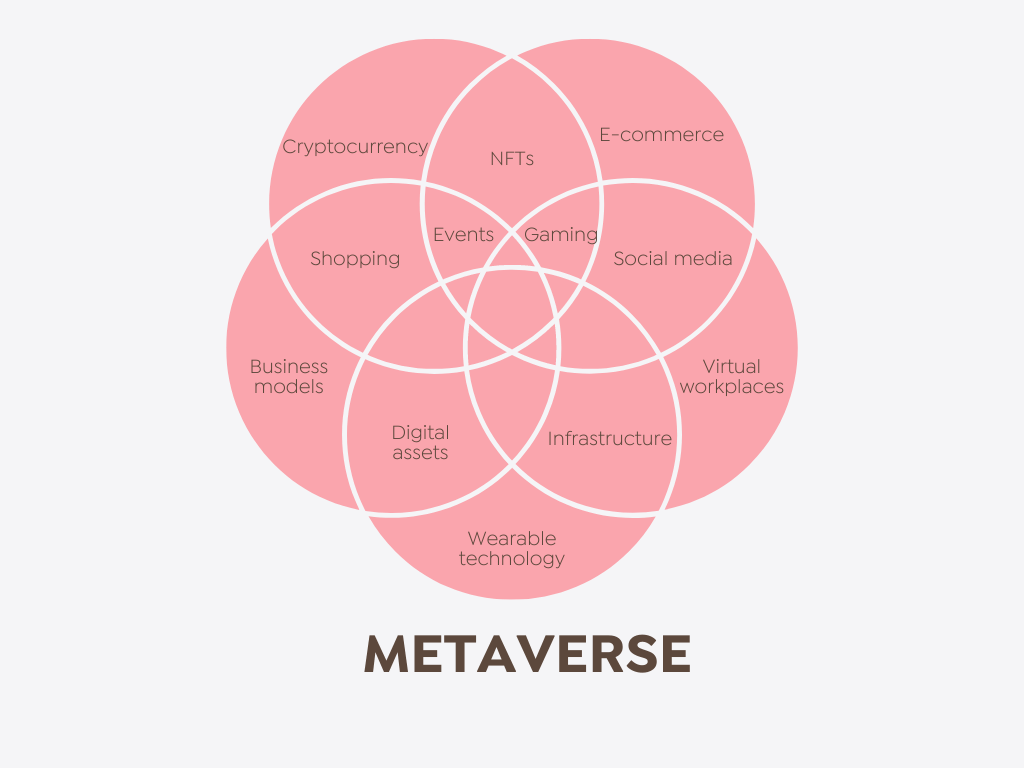
Metaverse Unleashed: 6 Industries Embracing New Opportunities and Experiences

The metaverse is indeed reshaping customer and employee experiences across various industries. Gartner’s projection of 30% of companies having meta-ready products and services by 2026 highlights the growing momentum in this area. The convergence of technologies like AR, VR, and AI is driving transformative changes, simplifying business processes, enhancing decision-making, and revolutionizing customer interactions.

The metaverse allows companies to create immersive virtual experiences that go beyond traditional boundaries. Customers can now engage with products and services in virtual environments, opening up new avenues for customization, personalization, and exploration. From virtual shopping experiences and interactive gaming worlds to virtual classrooms and training simulations, the metaverse is redefining how we learn, work, and play.

While discussions on the social and legal implications of the metaverse are ongoing, its potential to turn virtual experiences into tangible products and create new business opportunities is undeniable. The metaverse offers a glimpse into a future where digital interactions blend seamlessly with our physical world, unlocking novel ways to connect, collaborate, and innovate.

As companies continue to embrace the metaverse, we can anticipate further advancements and exciting developments that will shape the future of industries and the way we experience products and services.

Here we explore six key industries:

  1. Gaming and Entertainment: The metaverse provides immersive gaming experiences, virtual reality (VR) worlds, and interactive social platforms, creating new avenues for game developers, content creators, and virtual events.
  2. Fashion and Retail: The metaverse offers virtual fashion experiences, digital clothing marketplaces, and virtual try-on technologies, allowing brands to engage with customers in innovative ways and explore virtual commerce.
  3. Education and Training: The metaverse enables virtual classrooms, interactive simulations, and virtual training programs, enhancing remote learning, professional development, and immersive skill-building experiences.
  4. Real Estate and Architecture: The metaverse allows for virtual property tours, architectural visualization, and collaborative design spaces, transforming the way properties are showcased, designed, and sold.
  5. Healthcare and Telemedicine: In the metaverse, virtual healthcare consultations, medical training simulations, and telemedicine services can provide access to remote healthcare, training, and patient experiences.
  6. Advertising and Marketing: The metaverse introduces new advertising formats, immersive brand experiences, and interactive product placements, creating unique opportunities for marketers to engage with audiences in virtual environments.

These industries are just a glimpse of the wide-ranging impact the metaverse can have. As the concept of the metaverse evolves, more industries are likely to explore and capitalize on the opportunities it presents.

Did you like this post? Do you have any feedback? Do you have some topics you’d like me to write about? Do you have any ideas on how I could make this better? I’d love your feedback!

Feel free to reach out to me on Twitter!

Metaverse Impact on cyber security

The Metaverse is a virtual space where users can interact with each other and digital objects in a three-dimensional environment. As the Metaverse continues to grow and evolve, it will have a significant impact on cybersecurity. Here are some potential ways the Metaverse could impact cybersecurity:

1. Increased cyber attacks: As more users join the Metaverse, it becomes a more attractive target for cybercriminals. The Metaverse will likely have many valuable digital assets, such as virtual real estate, in-game items, and cryptocurrency, making it an enticing target for theft and fraud.

2. New types of cyber threats: The Metaverse will introduce new types of cyber threats, such as virtual identity theft, social engineering, and virtual asset theft. These threats will require new security measures and strategies to mitigate.

3. Cross-platform security risks: The Metaverse is likely to span multiple platforms, including virtual reality, mobile devices, and traditional desktops. This creates new security risks, as vulnerabilities in one platform can potentially compromise the security of the entire Metaverse.

4. Greater emphasis on privacy: The Metaverse will likely involve the collection and sharing of vast amounts of personal data. This creates privacy concerns, particularly if the Metaverse is owned by a centralized entity that controls access to the virtual space.

5. New security challenges for developers: Developing applications for the Metaverse will require new security considerations. For example, developers will need to ensure that virtual assets are secure, that user data is protected, and that applications are not vulnerable to exploits or hacking.

To mitigate these risks, it will be important for metaverse developers to prioritize cyber security as they design and develop these technologies. They must also work with security experts to identify and address potential vulnerabilities and ensure that users have the necessary tools to protect their privacy and digital assets. Additionally, governments and regulatory bodies must develop clear guidelines and regulations for the use of metaverse technologies to promote cyber security and protect users.

Here are some tips to help you guard against cybersecurity assaults in the Metaverse:

· Use strong passwords and multi-factor authentication: Always use strong passwords and enable multi-factor authentication whenever possible. This can help prevent unauthorized access to your accounts and protect your personal data.

· Be cautious of suspicious links and emails: Don’t click on links or download attachments from unknown or suspicious sources. These can be used to install malware or steal your personal information.

· Use anti-virus and anti-malware software: Install anti-virus and anti-malware software on your devices to help detect and remove malicious software.

· Be mindful of what you share: Be careful about what personal information you share online, including in the metaverse. Avoid sharing sensitive information such as your home address, phone number, or social security number.

· Use a virtual private network (VPN): Consider using a VPN to encrypt your internet connection and protect your online activities from prying eyes.

· Stay informed: Keep up to date with the latest cyber security threats and trends in the metaverse. This can help you stay one step ahead of potential attackers and protect yourself more effectively.

Did you like this post? Do you have any feedback? Do you have some topics you’d like me to write about? Do you have any ideas on how I could make this better? I’d love your feedback!

Feel free to reach out to me on Twitter!